Meta-Description: Do you know those little “stowaways” after a walk in the woods? Learn all about the fascinating strategy of thorns and how plants use us as a means of reproduction.
Uninvited Guests in Your Pants: The Fascinating Secret of Wandering Seeds
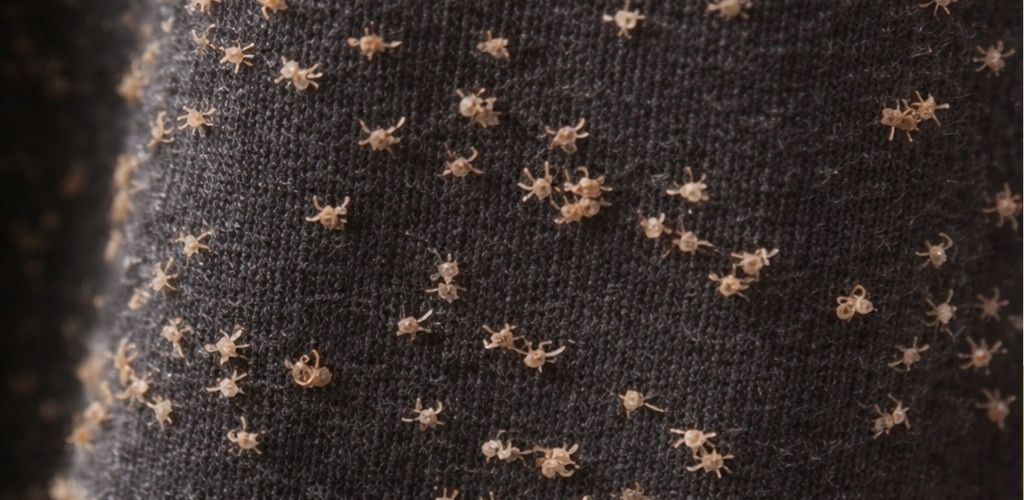
I went for a walk, as I often do, without any particular expectations. An easy path, fresh air, unspoiled nature, and that silence you only find far away from the noise of everyday life. Everything seemed perfectly normal until I noticed something strange on my pants after I returned. Small, round, and rough things were stuck to the fabric, as if they had decided to accompany me without permission. At first, I was surprised, almost a little irritated. Where did these little things come from? I couldn’t remember walking through particularly dense undergrowth.
Nature’s Mysterious “Stowaways”
For a few seconds, the scene seemed almost mysterious, as if they had appeared out of nowhere. But upon closer inspection and reflection, the explanation became clear. What was clinging to my clothing was neither dangerous nor alien, but a marvel of biology. In most cases, these “stowaways” are plant seeds, often referred to as burdock or lion’s mane seeds. Some plant species have developed a survival strategy that is as simple as it is ingenious: zoochory.
An Ingenious Reproductive Strategy
These plants ensure that their seeds adhere to passing animals or people. This allows them to reach new locations, far from the parent plant. As soon as clothing touches these plants, the seeds attach effortlessly and continue their journey without the wearer noticing. This is no accident, but a sophisticated mechanism of nature. The structure is a crucial factor in the success of these tiny travelers.
Property Function Effect
Thorns Mechanical anchoring Firm hold in textile fibers
Rough surfaces Increased friction Protection against hair loss
Small spines Penetration Adhesion to fur and skin
Engineering in the plant kingdom
If you look at these seeds under a magnifying glass, you can see tiny hooks or spines that function like Velcro. In fact, burdock even served as a direct model for the invention of Velcro. This botanical engineering allows the plant to expand its habitat without being able to move on its own. Humans or animals act as free means of transport within the ecosystem.
Being part of a larger whole
When I understood this, my initial surprise gave way to deeper reflection. Involuntarily, I became part of a natural process that unfolds silently and unnoticed every day, far removed from human attention. An ordinary walk became a reminder of how nature finds ingenious ways to survive, adapt, and spread. It shows us that we are not just observers of nature, but active participants in its cycle.
What initially seemed like an insignificant detail got me thinking. Sometimes the simplest encounters conceal fascinating explanations and remind us that even in our most mundane moments, we are part of something much larger. Nature never sleeps, and its mechanisms are all around us—sometimes even directly on our clothes. The next time you drop a seed from your clothing, remember: you’ve just helped a plant conquer the world.
Did you enjoy this little story about nature? If you’d like to learn more about the wonders of the plant world and exciting facts about nature, subscribe to our page, give us a like, and share this post with your friends! Your support helps us continue creating inspiring content for you.
Would you like to learn next time which plants thrive best in the garden or how to best enjoy nature?