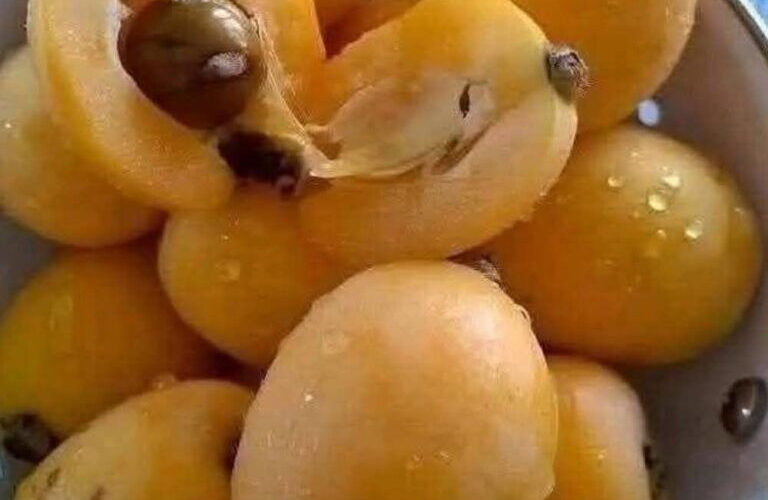
Homemade jam is the ultimate kitchen “magic trick”—it’s essentially a way to capture the peak of summer and store it in a jar for a rainy Tuesday in December.
While the process is simple, the science behind it is what ensures that “delicious treat” doesn’t turn into a moldy mess or a jar of fruit soup. Here is the foolproof “Golden Ratio” recipe and the pitfalls to avoid.
The “Golden Ratio” Recipe
For most fruits (berries, stone fruits, or plums), the classic ratio is 1:1 or 2:1 (fruit to sugar).
Ingredients
- 1 kg Fresh Fruit (washed, pitted, and chopped)
- 500 g Jam Sugar (2:1 ratio is often better as it’s less cloying and lets the fruit shine)
- 1 tbsp Lemon Juice (essential for pectin activation and color)
Instructions
- Macerate: Toss the fruit and sugar in a heavy-bottomed pot. Let it sit for 30 minutes until the juices run.
- The Boil: Bring the mixture to a rolling boil. You want it to reach the “setting point,” which is usually $105°C$ ($221°F$).
- The Skim: Remove any white foam from the top with a spoon—this is just trapped air and impurities, but removing it makes the jam clear and pretty.
- The Jarring: Pour into sterilized jars while boiling hot, leaving about $1\text{ cm}$ of headspace. Screw the lids on tight immediately.
3 Secrets for Longevity
If you want your jam to actually “keep for a long time,” don’t skip these steps:
1. The Pectin Power-Up
Not all fruits are equal. Strawberries and peaches are low in pectin (the natural “glue”). If you’re using these, you must add lemon juice or use a sugar that includes added pectin, otherwise, it will never set.
2. Sterilization is Non-Negotiable
“Clean” isn’t enough for long-term storage.
- Wash jars in soapy water.
- Place them in an oven at $120°C$ for 15 minutes.
- Boil the lids in water for 5 minutes.
- Pitfall: Never put cold jam into hot jars (or vice versa), or the glass might crack!
3. The “Wrinkle Test”
Don’t trust your eyes; trust the plate. Put a small saucer in the freezer before you start. Drop a spoonful of hot jam onto the cold plate. Let it sit for a minute, then push it with your finger. If it wrinkles, it’s done. If your finger slides through liquid, boil for another 2 minutes.
Common Mistakes to Avoid
- Using Overripe Fruit: It sounds counterintuitive, but overripe fruit has less pectin. Use fruit that is just ripe or slightly underripe for the best set.
- Doubling the Batch: It’s tempting to make a giant pot, but jam cooks best in small batches. Large volumes take too long to reach the setting point, which destroys the fresh fruit flavor and darkens the color.
Quick Tip: If you want to cut down on sugar, you’ll need to store the jam in the fridge or freezer, as sugar acts as the primary preservative against bacteria.
Would you like me to give you a specific variation for a low-sugar jam or perhaps a savory version like chili-onion jam?