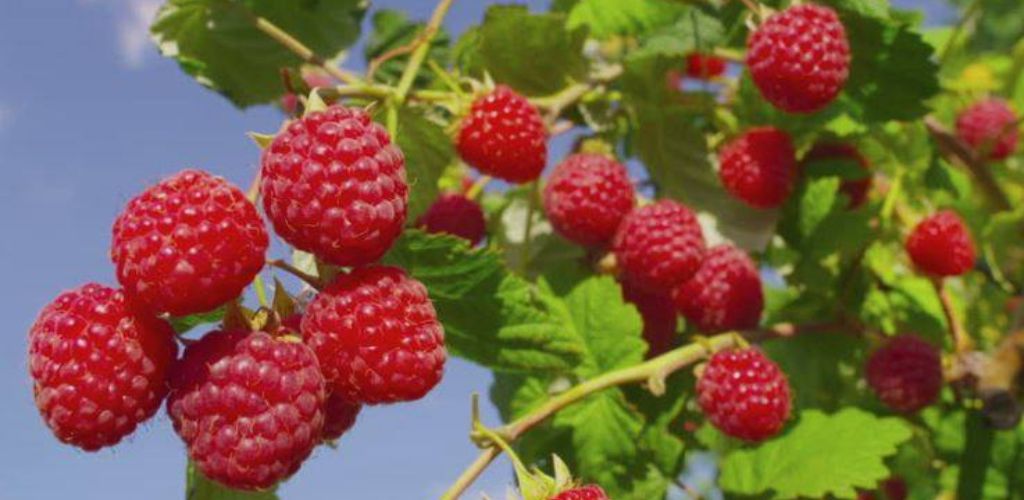
Raspberries are among the most popular fruits in gardens. They are tasty, fragrant, and, with proper care, can produce a truly abundant harvest every year. However, many gardeners don’t know that there are a few simple rules that can significantly influence the size of the fruit and the quantity of raspberries harvested.
If you provide raspberries with suitable soil, sufficient nutrients, and regular care, the bushes can literally blanket their branches with sweet fruit.
In this article, we’ll examine the basic principles of growing raspberries that will help you keep your plants healthy and productive.
🌱 What is the best soil for raspberries?
Raspberries prefer nutritious, well-drained soil that retains moisture but is not excessively wet.
The ideal soil is:
humus-rich garden soil
light, clayey, or slightly loamy soil
soil rich in organic matter
If your garden soil is too sandy, we recommend incorporating:
peat
compost
well-rotted manure
green manure
These materials help improve soil structure and retain moisture.
🌼 Plants that Promote Raspberry Growth
An interesting way to promote raspberry growth is to plant them alongside other plants.
For example, the following have proven suitable:
dwarf beans
dwarf peas
marigolds
The leaves of these plants can act as a natural mulch that protects the soil from drying out and promotes fertility.
🌿 Feeding Raspberry Seasonally
Raspberries are among the most demanding plants. Therefore, it is important to provide them with adequate nutrition, especially in spring.
At the beginning of the season, you can spread the following around the bushes:
compost
granular organic fertilizer
well-rotted manure
Lightly incorporate the fertilizer into the topsoil.
Raspberries have the greatest nutrient needs before flowering and during fruit formation. Nutrient deficiencies often manifest as leaf discoloration or weaker growth.
✂️ Spring Care for Raspberry Bushes
One of the first steps in raspberry care is inspecting and treating the shoots in early spring.
This should be done before new shoots begin to emerge.
One traditional method involves rinsing the shoots with hot water at a temperature of about 70-80°C. Water should be poured from above over all the shoots, down to the roots.
This procedure can help reduce overwintering pests.
The same method can also be used to treat:
currants
gooseberries
It’s important to perform this procedure very early in spring, when the plants have not yet begun to grow.
🍂 Autumn mulching
In autumn, it’s advisable to cover the soil between the bushes with a layer of organic material.
You can use, for example:
compost
peat
straw
Mulching helps retain moisture in the soil and simultaneously limits the spread of certain pests.