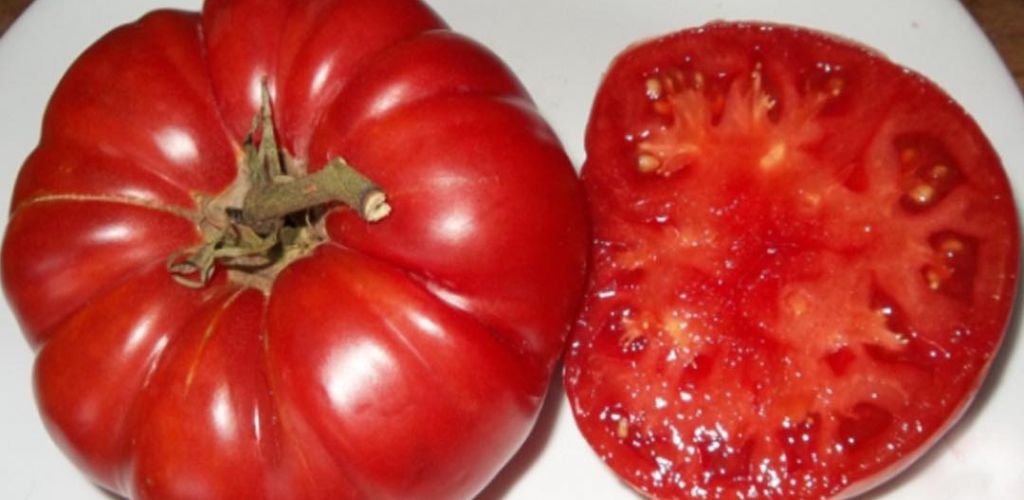
What you plant in close proximity to tomatoes can dramatically affect not only their taste, but also their health and resistance to pests. Gardeners call it “companion planting,” and it’s basically a little natural alchemy.
If you want your tomatoes to be extra sweet, fragrant, and juicy, here are the best neighbors:
🌿 1. Basil: The best friend (in the ground and on the plate)
Basil and tomatoes are an inseparable pair.
What it does: It is widely believed that the proximity of basil improves the resulting taste of the fruits (making them sweeter).
Bonus: Its strong scent repels thrips, mosquitoes, and especially cabbage moths, which could otherwise make life difficult for tomatoes.
🌼 2. Marigold (Garafia): Nature’s keeper
This orange flower is not just for decoration in the garden.
What it does: Marigold roots secrete substances that repel nematodes in the soil. They like to attack the root system of tomatoes, weakening the plant and making the fruits less juicy.
Bonus: It also repels whiteflies and various insects that spread diseases.
🧅 3. Onions, garlic, and chives
These crops act as a “biological shield”.
What they do: Their intense aroma confuses pests (such as aphids), which would otherwise quickly find the tomatoes.
Bonus: They help maintain a healthier environment around the roots and reduce the risk of mold.
🥗 4. Lettuce and spinach: “Living mulch”
What they do: Tomatoes grow tall and lettuce low to the ground. Lettuce leaves cover the soil, keeping moisture in the ground.
Why it’s important: The juiciness of tomatoes directly depends on balanced watering. If the soil doesn’t dry out too quickly, the tomatoes won’t crack and stay juicy.
🚫 What to AVOID, on the other hand?
There are neighbors that are downright harmful to tomatoes:
Potatoes: They’re in the same family and share the same diseases (especially late blight). If the potatoes get sick, your tomatoes will die two days later.
Fennel: This is the “lone wolf” in the garden. It secretes substances that inhibit the growth of most other plants, including tomatoes.
Walnut: If you have a walnut in your garden, don’t plant tomatoes near it (not even where it gets shaded). The substance juglone, which the walnut secretes, literally poisons tomatoes.
💡 Tip for sweet fruits
In addition to the right neighbors, one trick helps: Potassium. When tomatoes start to set fruit, give them comfrey fertilizer or wood ash. Potassium is responsible for transporting sugars to the fruit.
Would you also like advice on how to make a homemade natural fertilizer that will “kick up” the sweetness of your harvest?