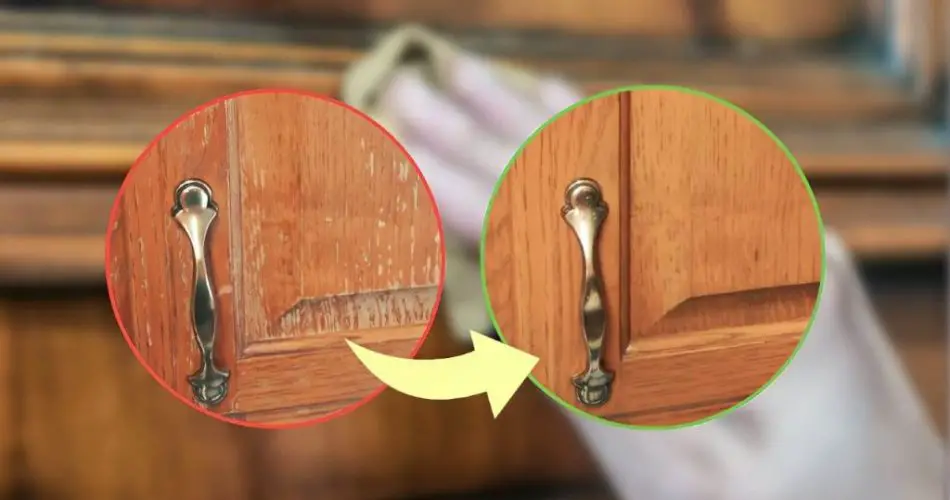
Wooden furniture is the heart of the home, but one forgotten cup of hot tea, a scratch from a pet or years of dust and the beauty of the wood disappears under a layer of imperfections.
Instead of expensive renovation or aggressive chemicals, you can use proven tricks that will bring wood back to life using ingredients you probably have in your kitchen.
- Disappearance of white spots from water and heat
White “maps” are created when moisture penetrates the top layer of varnish or wax.
Hair dryer trick: Point a hair dryer on medium heat directly at the stain and move it around. The heat will help the moisture evaporate from the varnish.
Mayonnaise or butter: Apply a layer of full-fat mayonnaise to the stain and leave it for a few hours (even overnight). The fat will displace the water and the white stain will disappear. Then just polish.
- Homemade “liquid gold” to revive the varnish
If the wood is dull and lifeless, make this emulsion that nourishes and cleans it at the same time.
Recipe: Mix olive oil and white vinegar in a ratio of 3:1 (3 parts oil, 1 part vinegar).
Application: Apply to a soft cloth and rub into the wood in circular motions. The vinegar will dissolve old dirt deposits and the oil will penetrate the structure and add shine.
- Masking scratches (Dark vs. light wood)
Scratches disrupt the integrity of the surface, but they can be completely erased optically:
Walnut: Take a walnut kernel and rub it over the scratch. The oil and pigment from the walnut will fill the groove. This works wonders on lighter and medium-dark wood.
Coffee grounds: For dark furniture (oak, walnut), use damp coffee grounds. Apply it to the scratch with a cotton swab, leave it for a while and wipe it off.
Overview of rescue tools
💡 Important rule: Test your courage
Before you start cleaning the entire antique table from your great-grandmother, try the chosen method on a small and inconspicuous spot (for example, the bottom or the back leg). Each finish (shellac, varnish, wax) reacts differently.
Final tip: If your wood is very dry and “thirsty”, use linseed oil instead of olive oil. It hardens in the wood and creates a more durable protective layer.
Would you like advice on how to repair a chipped piece of veneer on the edge of furniture so that it is not visible?