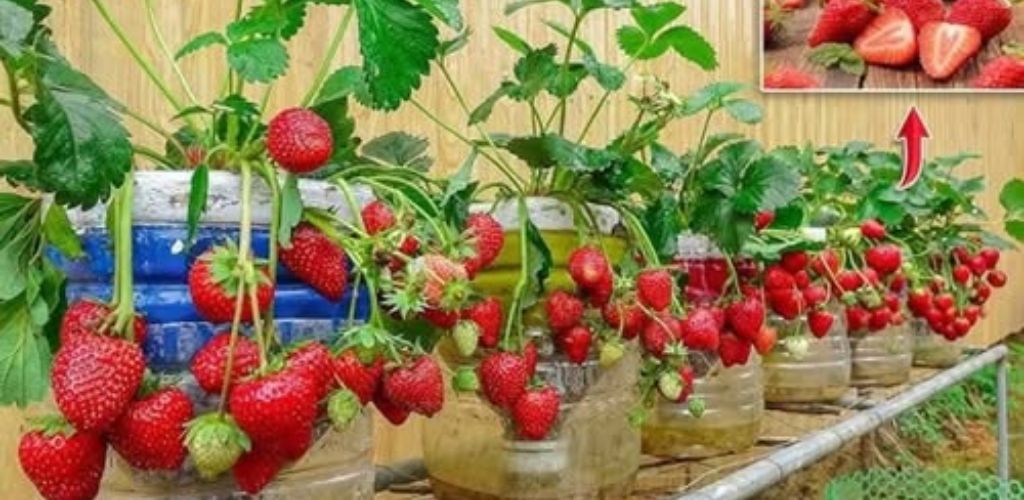
Growing strawberries year-round sounds like a dream, but thanks to today’s technology, it’s absolutely realistic – whether you have a large garden, a balcony, or just a kitchen windowsill. The key to success isn’t just luck, but choosing the right varieties and using the right techniques.
Here’s how to transform your home into a year-round strawberry patch:
The foundation for success: Choosing the right variety
If you want to harvest in December, forget about classic garden strawberries that only bear fruit in June. Look for so-called everbearing or remontant varieties.
Everbearing varieties (e.g., Selva, Ostara): They flower and bear fruit in cycles from spring until the first frost.
Moon strawberries (e.g., Ruejana): They have smaller fruits (similar to wild strawberries) but produce fruit continuously and thrive in pots.
Indoor growing (hydroponics and LEDs): If you want to harvest strawberries in the middle of winter, you won’t get far enough outdoors.
Vertical growing systems: They save space, and the strawberries “hang” from them, preventing them from rotting on the ground.
Supplemental light: There is little sun in winter. Strawberries need at least 12–14 hours of light per day. Use full-spectrum LED grow lights.
Temperature: The ideal temperature for ripening is between 18°C and 24°C.
Tips for a bountiful harvest: To keep strawberries sweet and juicy, they need special care:
Hand pollination: Since there are no bees indoors, carefully pollinate the center of the flower with a fine brush to transfer the pollen. Without pollination, no fruit will develop.
Proper Watering: Strawberries don’t tolerate waterlogging (the roots will rot), but they also can’t dry out completely. Always water directly at the base of the plant, not on the leaves.
Nutritional Supply: Use fertilizer with a higher potassium content. This promotes fruit development and sweetness.
Substrate and pH Value: Strawberries prefer a slightly acidic environment. The ideal soil pH is between:
pH = 5.5 and 6.5
If the soil is too alkaline, the plant cannot absorb nutrients and the leaves will turn yellow.
Comparison of Growing Methods
Method Advantages Disadvantages
Classic Pot Inexpensive, portable Dries out quickly
Hanging Bags Fruits are clean, space-saving More demanding in terms of fertilization
Hydroponics Fast growth, year-round Higher initial investment
Quick Tip: If you are growing strawberries indoors, add some coffee grounds to the substrate. This slightly acidifies the soil and provides nitrogen for leaf growth.
Have you already chosen a location for your strawberries, or would you like advice on choosing the right fertilizer?