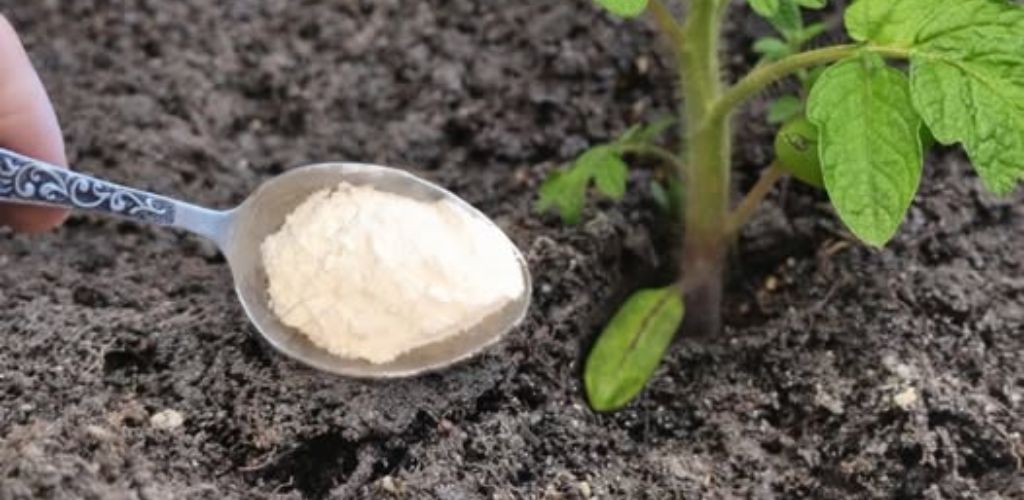
An additional application of nutrients at the end of June can be beneficial for the following reason:
Both plants – cucumbers (Cucumis sativus) and tomatoes (Solanum lycopersicum) – are in a phase of intensive flowering and fruiting. During this phase, the demand shifts from nitrogen (vegetative growth) to potassium and phosphorus (fruiting).
… …What really makes sense
1️⃣ Potassium-rich fertilization
One tablespoon of potassium-rich fertilizer per plant (according to the product dosage) can:
improve fruit development
increase sugar and flavor production
increase cell stability
extend the growing season
Typical options:
Potassium sulfate
Special tomato/vegetable fertilizer with a higher potassium content
Very economical: sifted wood ash (only for neutral soils)
2️⃣ Don’t forget magnesium
Magnesium deficiency often becomes noticeable in early summer (yellowing of the leaves between the veins).
A light application of Epsom salt can stabilize photosynthesis.
3️⃣ Proper watering is more important than any amount of fertilizer
Keep the soil consistently moist
Avoid drought stress
Avoid waterlogging
Irregular watering hinders nutrient uptake – even with optimal fertilization.
What doesn’t work:
Sugar in the irrigation water
Using yeast solutions as a “growth stimulant”
Applying raw organic material directly to the roots
Such methods promote microbial activity rather than immediate plant growth.
Conclusion: Targeted, potassium-rich fertilization before the end of June is technically advisable, but it doesn’t lead to immediate growth.
Rapid effects only occur if there was a prior nutrient deficiency. Sustainable yield is the result of:
✔ Balanced nutrient supply
✔ Consistent water supply
✔ Sufficient sunlight
✔ Healthy soil structure
Plant physiology follows laws – not miracle cures.