Recycling is commonplace these days, but some items don’t belong in the standard black trash bin (and sometimes not even in the colored ones). This isn’t just about environmental protection, but often also about the safety of waste collectors and protecting groundwater.
Here are 5 things that deserve special treatment:
Batteries and Rechargeable Batteries
This is probably the most common mistake. Batteries contain heavy metals (cadmium, lead, mercury) and acids.
Risk: They can be damaged mechanically in a garbage truck or at a landfill and leak, contaminating soil and water. Lithium batteries can even explode under pressure or cause a fire.
Where to put them? In collection containers at electronics stores, supermarkets, or recycling centers.
E-waste (anything with a cord or batteries)
An old toaster, headphones, or a broken remote control don’t belong in the regular trash. They contain precious metals (gold, copper) that can be recycled, but also toxic flame retardants.
Disposal: Electronics retailers are obligated to take back old appliances (often individually when purchasing a new one). Small appliances can be disposed of in special red and white containers.
Unused Medications
Medications are chemical compounds that cannot be completely filtered out in a normal wastewater treatment plant. If they are thrown in the household waste or flushed down the drain, they enter the water cycle.
Risk: Development of resistant bacteria and harm to aquatic life (hormonal changes in fish).
Disposal: Always return medications to a pharmacy. Remove medications from their paper packaging (they belong in the paper) and only return them in blister packs or bottles.
Used Cooking Oils
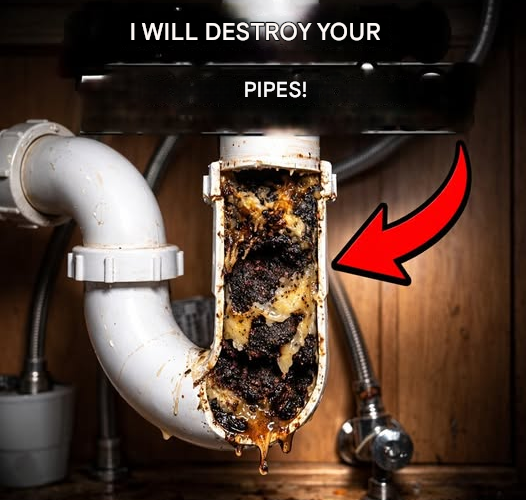
Pouring oil down the drain is harmful to the pipes (it clogs them with grease deposits), but throwing it in a plastic bottle in the household waste is also not ideal.
Risk: In a landfill, oil decomposes and produces methane, one of the most potent greenhouse gases.
Disposal: Pour it into a clean plastic bottle and return it to gas stations (e.g., Slovnaft) or some supermarket chains. One liter of oil can be used to produce a high-quality biofuel component.
Chemicals, Paints, and Thinners
Leftover paints, varnishes, motor oils, and strong cleaning agents are considered hazardous waste.
Risk: They are flammable, corrosive, and toxic. In contact with other waste, they can trigger dangerous chemical reactions.
Disposal: Take it to a collection point. Many municipalities also organize mobile hazardous waste collections twice a year.
Quick Overview: Where to?
Item: Where to put it?
Old cell phone / Electronic waste / Red bin
Mercury thermometer / Pharmacy (if still accepted) / Recycling center
Full aerosol can / Hazardous waste
Light bulbs / LEDs / Special collection boxes in stores (e.g., craft stores)
Export to the table
My tip: If you’re unsure whether something belongs in the regular trash, the rule is: “Anything with a cable, battery, or liquid chemicals does not belong in the regular trash.”
Do you have something at home that you’re unsure where to dispose of? I’d be happy to advise you!