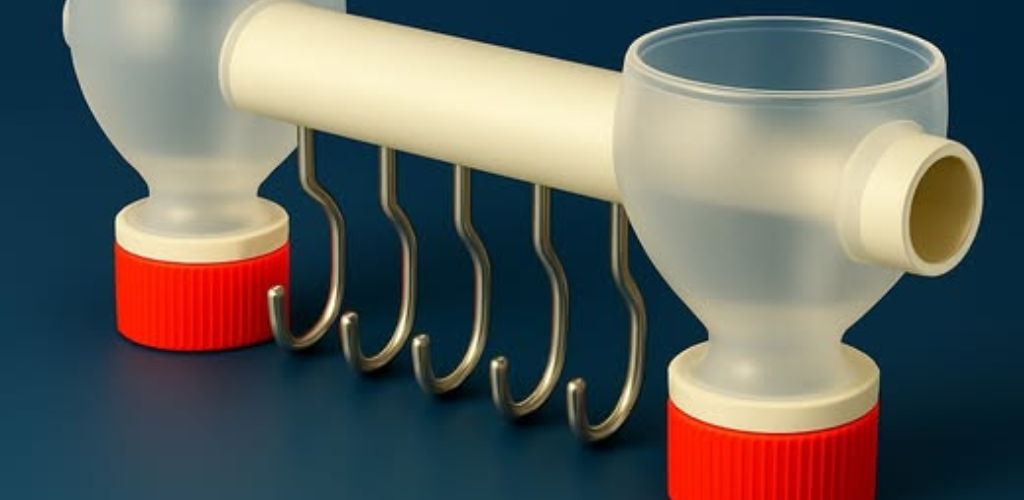
Plastic bottles are something like “liquid gold” for DIYers – they are durable, flexible and almost free. Forget about classic bird feeders. There is one ingenious invention that solves the constant mess and humidity in the kitchen or bathroom.
This invention is the “Self-draining holder for sponges and brushes”.
🛠️ How to make a holder that prevents mold and odor
The biggest problem with dish sponges is that they stay wet in the sink, where bacteria multiply. This trick from two bottles will solve this in 2 minutes.
What you need:
2 plastic bottles (of the same size, e.g. 1.5 l).
Scissors or a cutter.
Nail and lighter (for holes).
How to:
Top: Cut off the top third of the first bottle (the part with the neck). Unscrew the cap and use a hot nail to make 5-10 small holes in it. Screw the cap back on.
Bottom: Cut off the bottom third of the second bottle (to create a cup).
Assembly: Place the top part with the holed cap upside down in the bottom cup.
How does it work?
You insert a sponge or wet brush into the funnel. The water flows through the holes in the cap into the container below. The sponge stays dry and in the air flow, while the dirty water collects at the bottom, from where you can simply pour it out every now and then. No slime in the sink, no smell.
💡 3 more quick ideas you need to try:
Problem Solution from a bottle How to
Spill food Dispenser with a cap Cut the neck of a bottle, thread a bag of rice/sugar through it, bend the edges of the bag over the thread and screw the lid on.
Tangled balls of yarn Organizer for wool Put a ball of yarn in the bottle, cut the bottom, thread the end of the thread through the neck and slide the bottom back on.
Watering from below Self-watering Make holes in the side of the bottle, bury it near the roots of the tomatoes and leave the neck sticking out. Just add water once every 3 days.
⚠️ Pro Tip for safety and aesthetics
The plastic can be sharp after cutting. To avoid cutting yourself and to make the holder look professional, place the cut edge of the bottle against a hot iron (through baking paper) for a few seconds. The plastic will gently seal and create a smooth, rounded edge.
Did you know? If you cut the bottom of a bottle and make notches in it, you will get the perfect egg yolk separator. Just gently squeeze the neck, place it against the yolk and the vacuum will suck it into the bottle without damage.
Would you like to see a step-by-step guide to an automatic gravity-fed pet food dispenser using just two bottles?