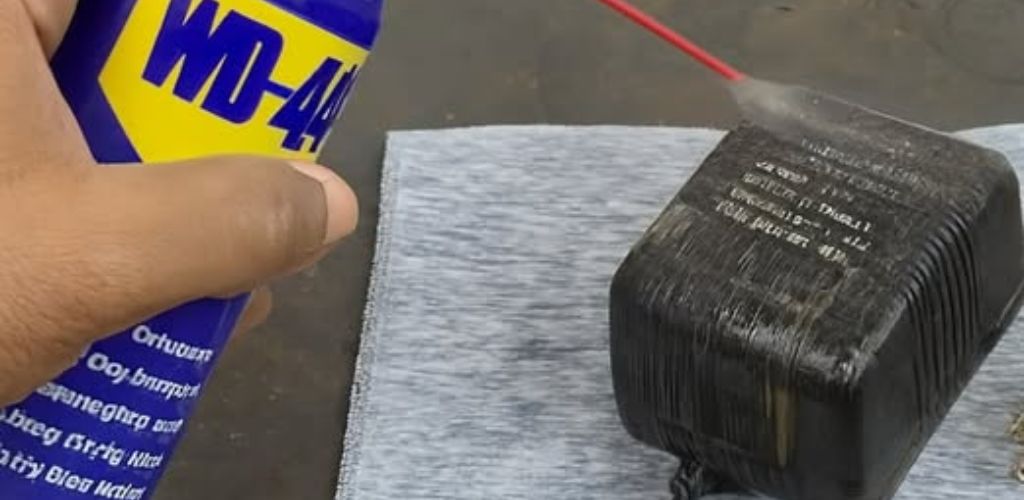
Old 12V DC adapters (from old routers, scanners or game consoles) are a real gold mine for DIYers. Most people throw them away because they no longer have the device, but this “box” hides a stabilized power source that can solve one big problem in the household.
That hidden and incredibly practical use is making a homemade air purifier or a soldering smoke absorber.
🌪️ Project: Desktop fan or extractor
Computer fans (PC fans) work almost exclusively on 12V DC. If you connect an old charger with a fan from an old PC, you get a powerful and quiet extractor that you can use:
In the workshop to extract fumes while working.
In the kitchen as a mini-digester when cooking on a small stove.
To cool a gaming laptop or game console.
🛠️ How to do it (in 2 minutes):
Cut the connector: Cut the original pin at the end of the charger and strip the two wires (black is usually minus, black with a white stripe or red is plus).
Connect the wires: Connect them to the fan wires (black to black, red to red).
Insulate: Use insulating tape or heat shrink tubing.
💡 Other hidden uses of a 12V charger:
In addition to the fan, you can use this adapter for:
Use What do you get?
LED lighting Most LED strips for the kitchen run on 12V. An old adapter will tighten them completely free of charge.
Irrigation Cheap 12V pumps from the Internet in conjunction with this adapter will create automatic watering for balcony flowers.
Testing Car Electronics You can test your car radio, car bulbs, or tire inflator at home without having to go to the car.
⚠️ Things to watch out for (Important!)
Before you plug anything in, check the amps (A) on the charger’s label.
Most adapters are around 1A to 2A.
If you plug in a device that requires more (e.g. a 5A powerful motor), the charger will overheat and may burn out.
DIY bonus: If you have an adapter that has a female car cigarette lighter plug, you can use any car accessory at home – such as a travel cooler or a seat massager.
Do you have such a charger at home and would like a precise guide on how to find out which wire is positive and which is negative without a multimeter?