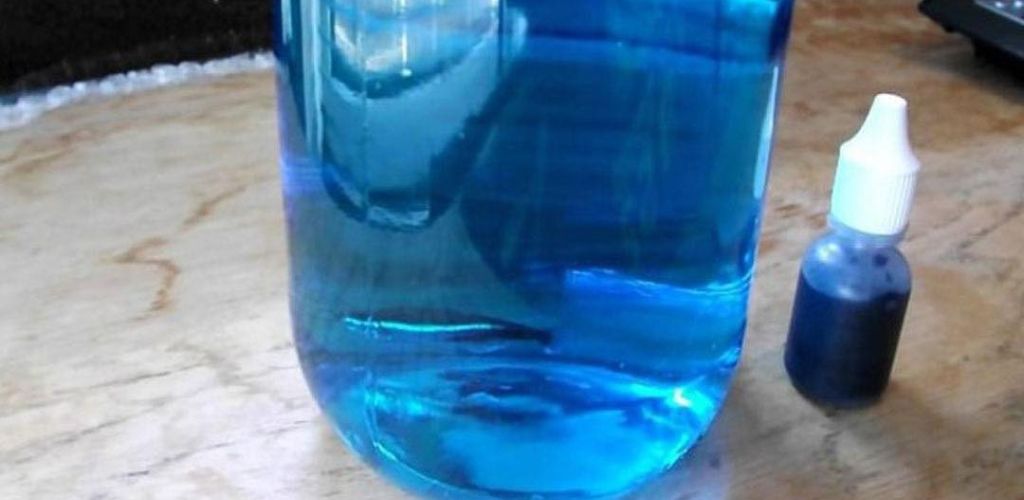
Methylene blue is a substance that seems to have emerged from a 19th-century alchemy laboratory, but is now experiencing a veritable renaissance in cutting-edge medicine. Synthesized in 1876 as a dye for the textile industry, it became the first synthetic drug in the history of medicine, initially used against malaria.
Today, science is rediscovering its surprising effects, which go far beyond its ability to color everything a deep blue.
🧠 1. A Powerful Nootropic (Cognitive Enhancer)
One of the most fascinating discoveries concerns the brain. At very low doses, methylene blue acts as a “battery charger” for neurons:
Mitochondrial Optimization: Improves cellular respiration, helping mitochondria produce more energy (ATP).
Memory and Learning: Studies suggest it can improve long-term memory and information processing speed.
Neuroprotection: It is being studied for its ability to prevent the accumulation of toxic proteins associated with diseases such as Alzheimer’s and Parkinson’s.
🛡️ 2. Unique Antioxidant Effect
Unlike other antioxidants, methylene blue has a cyclical capacity: it can continuously donate and accept electrons, neutralizing free radicals within the cell without rapidly depleting itself. It’s like a continuous cleaning system for oxidative stress.
🧪 3. “Lifesaving” Medical Uses
In hospitals, methylene blue has never gone out of fashion for two critical reasons:
Methemoglobinemia: It is the primary antidote for this rare condition in which the blood can no longer carry oxygen.
Cyanide Poisoning: It is used in emergency settings to counteract certain types of chemical toxicity.
⚠️ “Cautionary Notes” (Don’t Ignore)
Despite the hype, methylene blue is not a common supplement and requires extreme caution:
Dangerous Interactions: It is a powerful MAOI. When taken with antidepressant drugs (SSRIs), it can cause serotonin syndrome, a potentially fatal condition.
Purity is Everything: Industrial or aquarium methylene blue contains heavy metals (arsenic, lead, mercury). Only USP (United States Pharmacopeia) grade is safe for human use.
Dosage: “More blue” does not mean “more health.” At high doses, the effect is reversed: instead of being an antioxidant, it becomes a harmful pro-oxidant.
💡 A visual curiosity
If you decide to delve deeper into this remedy, don’t be alarmed: methylene blue inevitably colors urine an emerald green or bluish blue. It’s a harmless effect, but it’s certainly surprising the first time!
Tip: Never take methylene blue supplements without the supervision of an experienced physician, especially if you’re taking other medications.
Are you interested in learning how it’s currently used in photodynamic therapy to fight antibiotic-resistant infections?