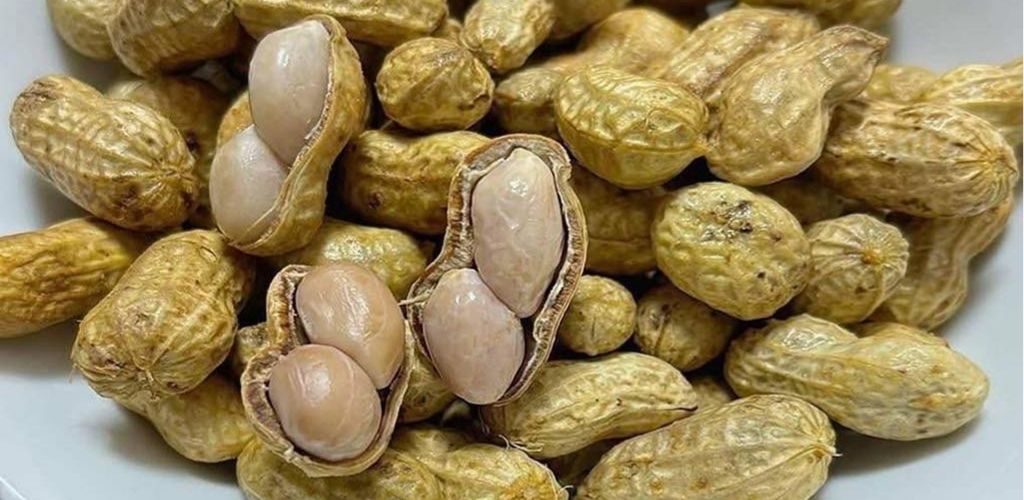
Peanuts – a tiny seed star that rings the bells here mainly at Christmas, at parties or in the form of a spoonful of peanut butter on morning toast. Inconspicuous at first glance, but surprisingly nutritious at its core.
In various countries, it is a basic ingredient in traditional recipes. In our country, it works more as a quick snack “in your pocket”, but it still deserves attention. Not only because of its taste, but also because of what modern research on peanuts is gradually revealing.
Let’s take a look at them without scaremongering or miraculous promises – simply so that you can understand it.
What peanuts contain
Peanuts are not just a crunchy dot for beer. Contains:
vegetable protein
unsaturated fats
vitamins A, B6 and E
phosphorus, calcium, iron
lecithins, carotenes and other bioactive substances
This mixture gives peanuts the reputation of a “satisfying little storehouse” that can fit into a regular diet.
Possible benefits of eating peanuts
- Promotes satiety throughout the day
When you treat yourself to a small handful of peanuts or a spoonful of peanut butter in the morning, the body treats them like a solid anchor – it digests them more slowly, so hunger does not come as quickly. For many people, this helps reduce unnecessary snacking. - Better blood sugar control
Peanuts will slow down the absorption of carbohydrates from other foods, which can help maintain more stable energy levels for some people. This stability can be invaluable, especially in the morning. - Interesting relationship to the risk of certain diseases
Some studies point to possible connections between regular consumption of peanuts and:
a lower risk of some intestinal tumors,
a lower risk of gallstones,
support for heart health thanks to unsaturated fats.
These are not guaranteed effects – rather, they are observed trends that are worth noting.