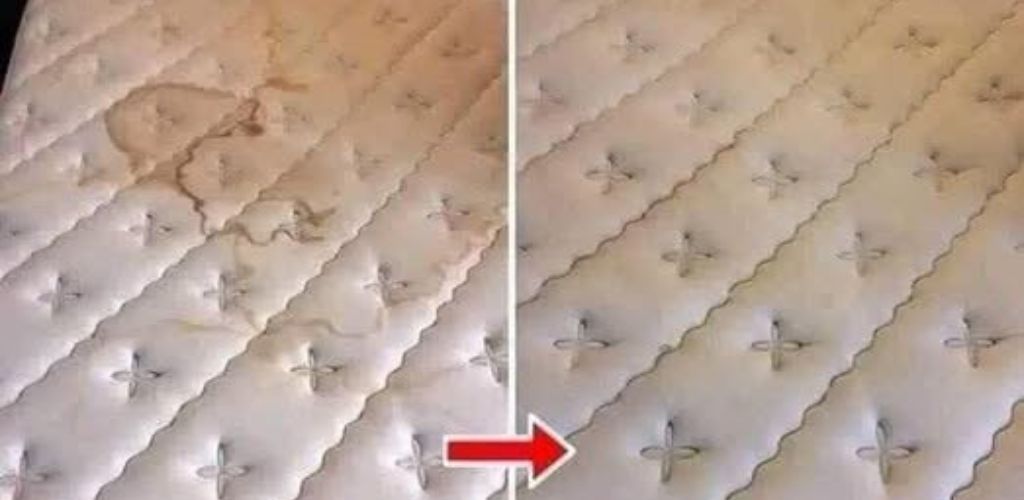
Your mattress is obviously an important place that requires regular care to keep it hygienic and fresh. Here are some steps and tips on how to clean and disinfect your mattress naturally:
Why is it important to clean and disinfect your mattress?
Over the years, our mattresses become a breeding ground for:
Skin flakes: We shed thousands of skin flakes every night.
Sweat and body oils: These leave stains and encourage the growth of bacteria.
Dust mites: These tiny creatures feed on skin flakes and are a common cause of allergies and asthma.
Dust and allergens: Pollen, animal hair, and other dust accumulate.
Bacteria and mold: Moisture and warmth provide ideal conditions for their growth.
Regular cleaning helps reduce allergies, eliminate odors, and extend the life of your mattress.
A Step-by-Step Guide to Natural Cleaning and Disinfection
Materials Needed:
Vacuum cleaner with upholstery attachment
Baking soda (sodium bicarbonate)
Essential oil (e.g. lavender, tea tree, eucalyptus – optional, for scent and additional antibacterial effect)
Sprayer
White vinegar or rubbing alcohol (for stains)
Clean cloths or sponges
Sunlight (if possible)
Step:
Prepare the mattress:
Remove all bedding (sheets, covers, mattress protector) and wash it at the highest temperature possible to kill dust mites.
If possible, place the mattress upright or in a well-ventilated area, ideally in direct sunlight. UV rays disinfect and help remove moisture.
Vacuum cleaner:
Vacuum thoroughly the entire surface of the mattress, including the sides and seams. Use the upholstery attachment on your vacuum to remove dust, skin flakes, and other particles. Pay special attention to cracks and crevices where dust mites like to gather.
Stain treatment (if necessary):
For fresh stains (e.g. urine, blood): Blot the stain immediately with a clean cloth. Avoid rubbing to prevent it from spreading.
Urine: Mix water and white vinegar (1:1 ratio) in a spray bottle. Lightly spray the urine stain, let it sit for a short time, then blot with a clean cloth. The vinegar helps neutralize odors. Then sprinkle generously with baking soda.
Blood: Blot immediately with cold water and a little salt or 3% hydrogen peroxide. Never use hot water as this will set the proteins. Use baking soda after treatment.
Common stains: For common stains, you can make a paste of baking soda and a little water and apply it to the stain. Rub gently, let it dry, then vacuum. Alternatively, you can use a mixture of mild dishwashing liquid and water, but use sparingly and only dampen the surface.
Important: Use as little liquid as possible to avoid soaking the mattress. Moisture can encourage mold growth.
Deodorize and disinfect with baking soda:
Baking soda (sodium bicarbonate) is an excellent natural deodorant and helps absorb moisture. It also neutralizes odors and has a mild disinfectant effect.
Sprinkle generously: Sprinkle a generous layer of baking soda over the entire surface of your mattress. Focus on areas that are particularly smelly or have stains.
Add essential oils (optional): For a pleasant scent and additional antibacterial properties, you can mix about 10-20 drops of essential oil (e.g. lavender, tea tree, eucalyptus) with a cup of baking soda before sprinkling it on your mattress. Lavender also helps with sleep.
Leave to work: Let the baking soda sit for at least 3-4 hours, ideally longer (up to 24 hours). The longer it sits, the more odors and moisture it can absorb.
Vacuum: Thoroughly vacuum all the baking soda from the mattress. Make sure to remove any residue.
Air and Sun (if possible):
Direct sunlight is a natural disinfectant and helps kill dust mites and remove residual moisture. If you can leave your mattress in the sun for a few hours after vacuuming and before (or after) the baking soda step, that’s ideal. Ensure good air circulation.
Rotate/Rotate Your Mattress:
If your mattress is reversible, rotate it (replace the head and foot sections and switch sides) after cleaning to ensure even wear.
How often should you clean your mattress?