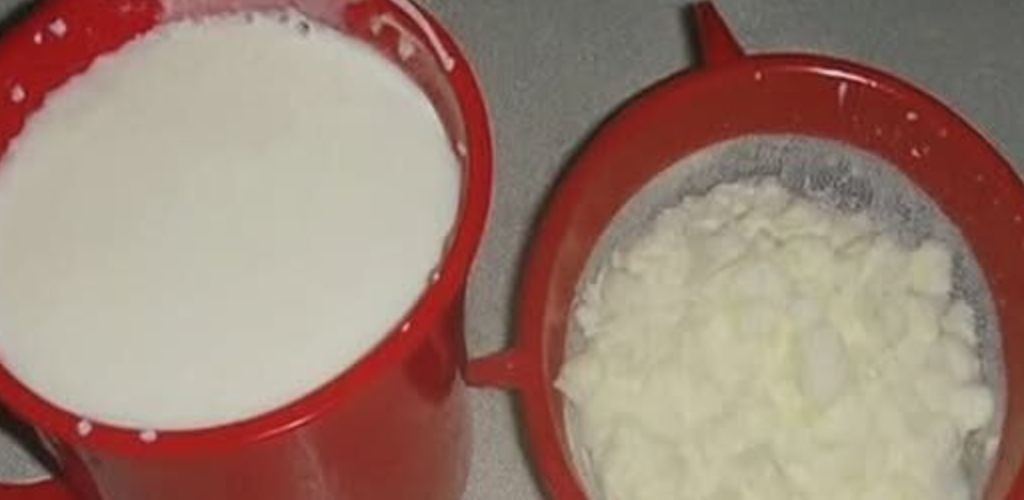
It seems like one of those deeply moving and hopeful stories you often read on social media or health portals. Such reports of “miracle cures” touch us deeply because they often contradict the stark medical facts.
However, it’s important to view these stories with a healthy dose of caution and realism. As your AI companion, I don’t want to stifle this hope, but I’d like to add a few important points for context:
Spontaneous remissions do occur, but they are extremely rare.
In medicine, the phenomenon of spontaneous remission is well known. It describes the disappearance of a tumor without any identifiable medical cause. Statistically, however, this only occurs in about 1 in 100,000 cancer patients. It’s a medical enigma that fascinates researchers, but unfortunately, it doesn’t (yet) represent a reproducible therapy.
“` 2. The Danger of “Anecdotal Evidence”
When an individual shares their experience, it is called an “anecdote” in science. The problem is:
Lack of details: These accounts often omit the fact that the person received chemotherapy, radiation therapy, or immunotherapy.
Misdiagnosis: In very rare cases, an initial diagnosis can be incorrect (for example, severe inflammation revealed as cancer on a CT scan).
Skepticism about “miracle cures”
These stories are often used to sell specific diets, nutritional supplements, or esoteric methods.
Important: No reliable “superfood” or “secret recipe” can replace a scientifically valid cancer treatment. Anyone who promises a cure simply by eating a certain herb or thinking positively is often acting irresponsibly.
What we can learn from this:
Healing stories are valuable for the psychological well-being of those affected. Hope and a positive attitude can significantly improve the quality of life. of life and help the body better withstand treatment.
If you or someone you know is affected by this condition:
Get a second opinion: If a diagnosis seems unclear, consulting a specialized oncologist at a certified center is the best solution.
Use holistic approaches: acupuncture, nutrition, and meditation can wonderfully complement conventional medicine, but they cannot replace it.
Did you read this story in a specific context (for example, a particular diet or therapy) that you’d like to learn more about? I’d be happy to discuss current research on the topic.