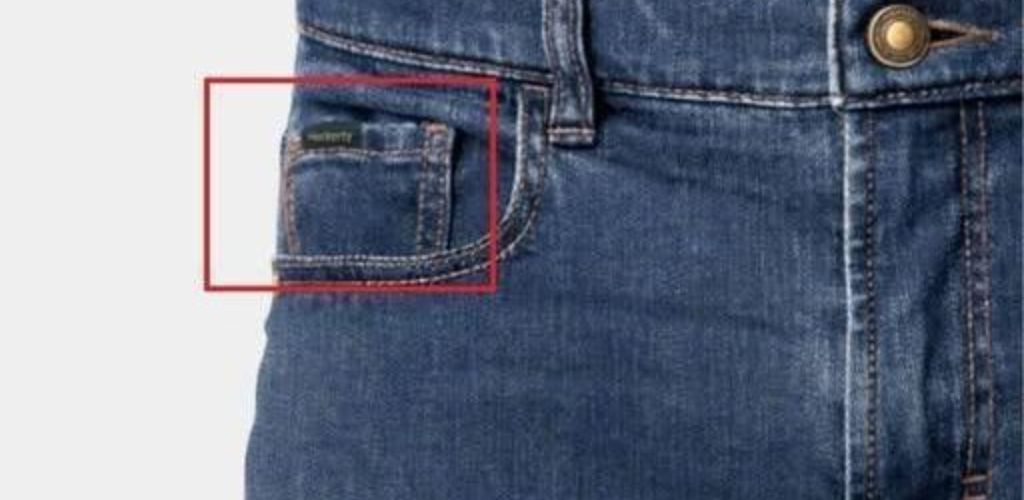
That little pocket nestled inside the front right pocket of your jeans has a surprisingly rich and practical history!
Its official name and original purpose is the watch pocket.
The Story of the Watch Pocket
1. Born for Function, Not Fashion
The tiny pocket was a key feature of the very first blue jeans patented by Levi Strauss & Co. in 1873. These pants were created for working men—miners, cowboys, and railroad workers—who needed durable, practical clothing.
2. Guarding the Timepiece
Back in the 1800s, pocket watches were the standard way to tell time. They were often delicate, expensive, and easily damaged if kept in a larger trouser pocket while working a rugged job. The small, reinforced pocket was designed specifically to provide a secure, snug, and protected place to keep a pocket watch safe from scratches, dirt, or accidental falls.
3. The “Fifth Pocket” Myth
Interestingly, this pocket is often incorrectly called the “fifth pocket.” Levi’s original design only had four pockets: two in the front (one of which contained the watch pocket) and just one in the back. The second back pocket—the one that would truly make it the “fifth pocket”—wasn’t added until 1901.
Its Modern Life
While wristwatches and smartphones have made the pocket watch obsolete, the small pocket has remained a permanent fixture of denim design. Why? Because it’s a nod to the garment’s heritage and has become an iconic piece of its DNA.
Today, it’s a versatile miniature storage hero, often used for:
- Coins (which is why it’s also sometimes called a coin pocket)
- Lighters or matches
- Guitar picks
- Small keys or fobs
- Lip balm or a small USB drive
It’s a perfect example of a design detail that outlasted its original function and became a beloved piece of history woven right into your everyday attire!