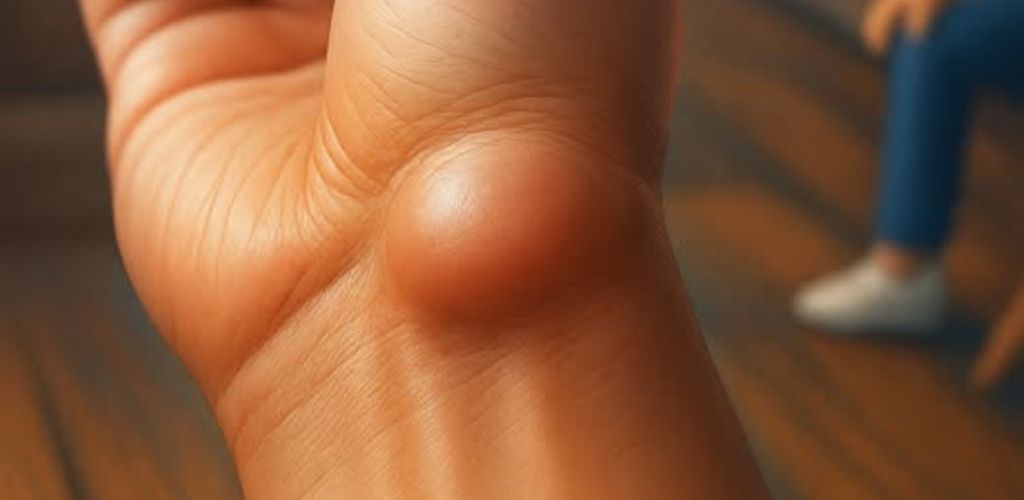
That “lump” most likely refers to a Digital Neuroma (or Morton’s Neuroma), a common, painful condition that often forms between the third and fourth toes.
You are absolutely right—it’s frequently caused or worsened by things we do every day, especially related to footwear and walking mechanics.
What is a Digital Neuroma?
A neuroma is not a tumor, but rather a thickening or enlargement of the nerve tissue. In the case of a Digital Neuroma, the sheath surrounding the digital nerve in the ball of the foot becomes irritated and swollen.
The Everyday Causes: What You Do That Leads to It
The condition arises from chronic pressure and irritation that squeezes the nerve. These are the top everyday activities and habits that contribute to the problem:
1. Wearing Ill-Fitting or High-Heeled Shoes
This is the single biggest contributor.
- Narrow Toe Boxes: Shoes that force your toes together (like pointed or tight dress shoes) compress the forefoot bones. This squeezing action constantly rubs and irritates the nerve running between the bones.
- High Heels: Heels higher than about 2 inches force your weight forward onto the ball of your foot, dramatically increasing the pressure on the already-compressed digital nerves.
2. Repetitive High-Impact Activities
Activities that involve repeated pounding or stress on the forefoot can lead to chronic irritation.
- Running/Jogging: If you overpronate (roll your foot inward) or wear running shoes without adequate forefoot support, the repetitive impact can stress the area.
- Sports with Tight Footwear: Sports like skiing, rock climbing, or ballet that require extremely rigid or tight-fitting boots and shoes increase compression.
3. Foot Mechanics and Structure
Sometimes, the way your foot is naturally structured makes you more susceptible.
- Flat Feet or High Arches: Both conditions can destabilize the midfoot, leading to increased movement and stress in the forefoot.
- Bunions or Hammertoes: These deformities change the bone structure, narrowing the space where the nerves pass and increasing the likelihood of impingement.
Quick Fixes and Prevention
The solution is often to reverse the daily mistake that caused the lump:
- Change Your Shoes: Switch immediately to shoes with a wide, square toe box and a low heel (under 1 inch). Give your toes room to spread naturally.
- Use Metatarsal Pads: Placing a small pad behind the painful area (just behind the ball of the foot) helps separate the toe bones, relieving pressure on the nerve.
- Rest and Ice: For immediate pain relief, rest the foot and apply ice to reduce inflammation.
If the pain is severe or doesn’t improve with conservative measures, it’s always best to see a podiatrist!