That’s an excellent topic, as weight loss plateaus or even weight gain while trying to diet is one of the most frustrating experiences people face. It’s often not a matter of willpower, but simple, overlooked errors in strategy.
Here are 5 common mistakes that can sabotage weight loss efforts and even lead to weight gain:
5 Common Mistakes That Sabotage Weight Loss
1. Overestimating Calories Burned and Underestimating Calories Eaten
This is arguably the most common and critical mistake.
- The Problem (Underestimation): People consistently underestimate the calories in foods like oils, sauces, drinks (especially coffee and alcohol), and “healthy” snacks (like nuts, avocados, and protein bars). A large coffee with sugar and cream can easily be 300+ calories.
- The Problem (Overestimation): People overestimate how many calories they burn during exercise. An hour of moderate jogging might burn 400 calories, while a single slice of pizza can contain that much. They then often use exercise as an excuse to eat more, completely negating the workout.
- The Fix: Use a food scale, meticulously track everything (even small snacks and condiments), and treat exercise calories as a bonus, not a license to eat back those calories.
2. Misidentifying “Healthy” or “Diet” Foods
The food industry often markets products specifically to people trying to lose weight, but these items can be calorie bombs.
- The Problem: Many foods labeled as “low-fat,” “gluten-free,” or “organic” are loaded with extra sugar or other high-calorie ingredients to make up for the lack of flavor from fat or gluten.
- Examples: Low-fat yogurt (high sugar), store-bought smoothies (hundreds of calories from fruit/sugar), bottled salad dressings, and large servings of granola or trail mix.
- The Fix: Ignore the marketing labels and read the nutrition label for total calories, fat, and sugar content. Stick to whole, unprocessed foods like lean proteins, vegetables, and simple carbohydrates.
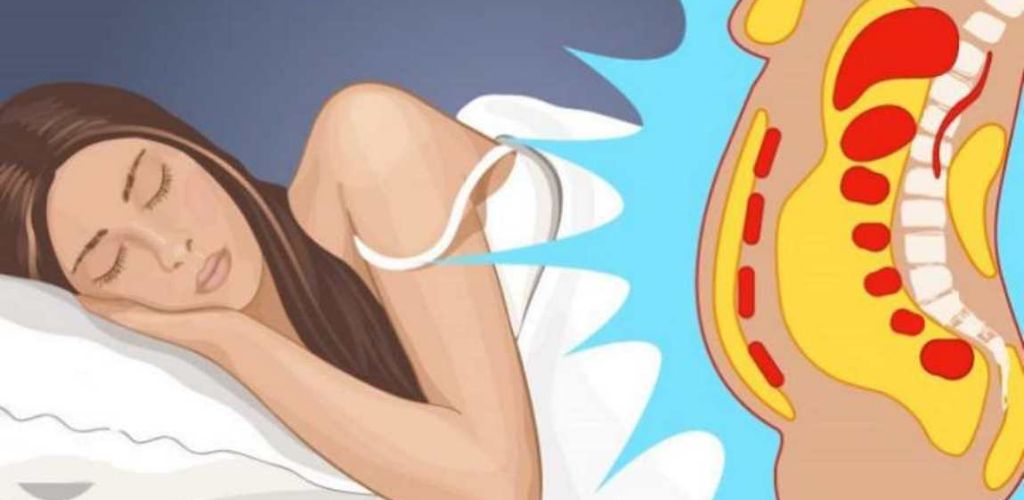
3. Chronic Sleep Deprivation (The Hormonal Trap)
Lack of sleep sabotages weight loss by directly affecting the hormones that control hunger and metabolism.
- The Problem: Poor sleep (less than 7-8 hours) causes two major hormonal shifts:
- Ghrelin (The Hunger Hormone) Rises: You feel hungrier and have intense cravings, especially for sugar and carbs.
- Leptin (The Satiety Hormone) Drops: Your body struggles to feel full, leading to overeating.
- Additionally, cortisol (the stress hormone) rises, which promotes fat storage, particularly around the belly.
- The Fix: Prioritize sleep as much as you prioritize your workout. Aim for 7-9 hours of quality sleep per night.
4. Not Eating Enough Protein and Fiber
The type of food you eat dramatically impacts your satiety (how full you feel).
- The Problem: Diets high in refined carbohydrates (white bread, pasta, sugary drinks) cause blood sugar spikes, followed by crashes that trigger intense hunger. If you aren’t eating enough protein and fiber, you’ll feel hungry again quickly, leading to snacking and excess calorie intake.
- The Fix: Make protein (chicken, fish, eggs, legumes, tofu) the cornerstone of every meal. Ensure you’re getting plenty of fiber from vegetables and whole grains. Both protein and fiber take longer to digest, keeping you feeling full for hours.
5. Liquid Calories and Alcohol
People often forget that drinks contain calories just like solid food, but they are far less satiating.
- The Problem: Sugary drinks, specialty coffees, juices, and especially alcohol are a source of “empty calories”—calories that provide little to no nutritional value and don’t make you feel full. A single cocktail or a few glasses of wine can add several hundred calories to your daily total without you feeling like you’ve eaten anything.
- The Fix: Make water your primary beverage. If you must drink coffee, stick to black coffee or espresso. Reserve alcohol for special occasions and track the calories as if they were a meal.