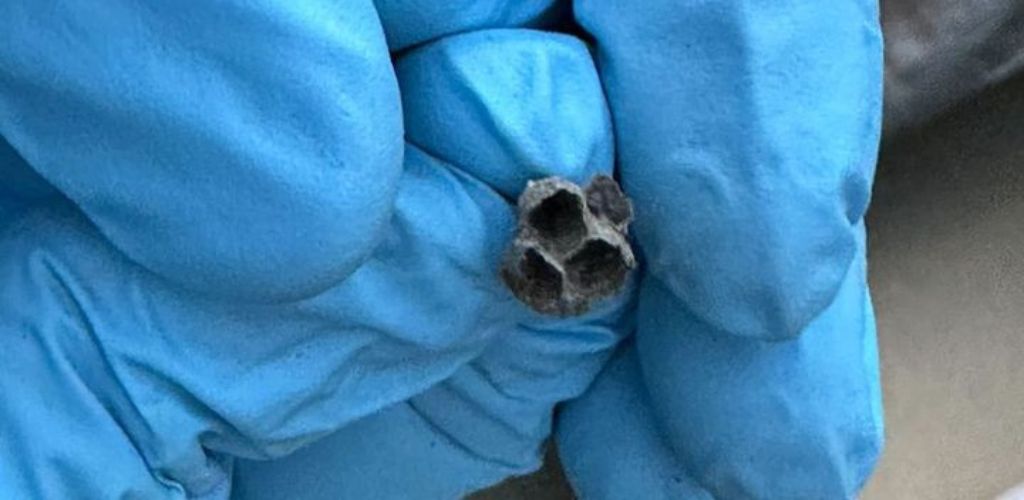
Since I can’t see a picture, I can only give a general description and possible courses of action. The cover provides a protected and dry place, which is why a cocoon, ootheca (egg packet), or insect pupa is often found there.
What could it be?
There are several possibilities, depending on its appearance:
Appearance Likely Animal What to Know
Light, cream-colored to brown, slightly oval casing (like cardboard/silk) Cocoon (e.g., of a moth, butterfly, or wasp species). The casing contains a pupa from which an adult insect will hatch. Most insects in cocoons are harmless.
Hard, foamy, brownish-beige, or cigar-shaped structure Ootheca (egg packet), often from a praying mantis or cockroach. Praying mantises are beneficial insects, and their oothecae are often found in the fall.
Small, dark, elongated shell, often made of sand or plant matter. A caddisfly larva (if the furniture is near water) or a small caterpillar pupa. Caddisflies live primarily in water, but their shells resemble cocoons.
A solid, dark, or greenish structure. Pupa (of a beetle or fly). The pupal stage of many insects that overwinter in the soil or under objects.
Extract from the tables
What should you do? (Procedure)
In most cases, it is a harmless or even beneficial insect that wants to overwinter there. The best approach is usually careful relocation.
Stay calm and protect:
Do not crush or damage. The insects inside are in a very delicate stage of development.
Do not open or sting. You would kill the hatching insect.
Relocate (best):
Use a small stick, a garden trowel, or wear gloves.
Carefully loosen the cocoon or egg packet from the cover.
Place it in a similarly sheltered location, such as under a bush, in a pile of wood, or in a quiet, dry corner where it will be safe from direct moisture and predators.
Goal: The insect can complete its life cycle in peace.
Disposal (only if it’s a pest):
If you can positively identify the insect as an aggressive pest (e.g., an invasive species or something that destroys your plants), you should remove it. But be careful: Many insects are mistaken for pests, even though they are important pollinators or pest controllers.
Rule of thumb: If you’re unsure, treat it as a living creature and relocate it to a quiet, sheltered spot. This way, you’ll be helping nature in your garden!