Drooling or salivation during sleep (medically known as sialorrhea or hypersalivation) is a very common and mostly harmless phenomenon. It usually just means that the normal reflexes that keep saliva in the mouth aren’t active during sleep.
Here are the main reasons and what drooling during sleep means:
The Physiological Cause
While awake, we unconsciously swallow our saliva several times a minute. During sleep, this swallowing reflex is significantly reduced.
Muscle Relaxation: During deep sleep, the facial muscles relax, including the mouth muscles and jaw. This allows the mouth to open slightly.
Gravity: When you sleep on your side or stomach, gravity simply pulls the saliva you produce out of your slightly open mouth.
The Most Common Causes of Drooling
Drooling is usually caused by a combination of saliva production and altered breathing.
- Obstructed Nasal Breathing
This is often the most common cause. When your nose is blocked, you automatically breathe through your mouth.
Colds and Allergies: Blocked sinuses or a runny nose force mouth breathing.
Chronic Problems: Enlarged polyps, a deviated septum, or chronic sinusitis can lead to persistent mouth breathing.
- Sleep Stages
Drooling often occurs during REM (rapid eye movement) sleep or deep sleep, as these are the stages when muscle relaxation is greatest and the swallowing reflex is greatly reduced. - Diet and Gastric Reflux
Certain Foods: Eating very acidic or spicy foods shortly before bedtime can stimulate saliva production.
Acid reflux: When stomach contents enter the esophagus (reflux), it can irritate the salivary glands and lead to increased saliva production (the body’s attempt to neutralize the acid).
When should you see a doctor?
Drooling is usually harmless. However, if it occurs suddenly, is very severe, or is accompanied by other symptoms, you should see a doctor to rule out more serious causes:
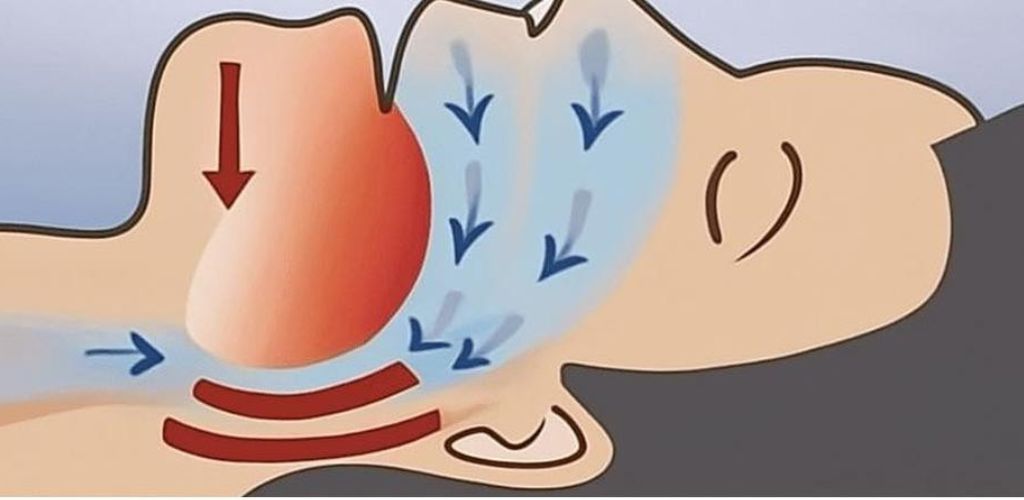
If you feel like you’re choking or having difficulty breathing at night (which could indicate sleep apnea).
If it’s accompanied by neurological symptoms (such as difficulty swallowing or sudden weakness).
The simplest method to reduce drooling is often to try sleeping on your back or to treat nasal breathing problems.