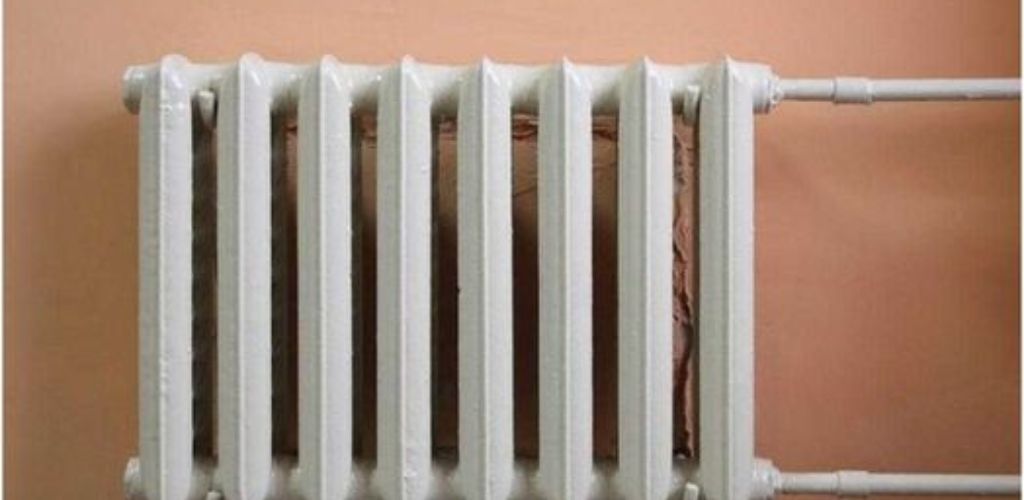
The question of whether cast iron or bimetallic batteries are better is a classic in the heating world. As an expert, I can tell you that there is no simple answer, because the “best” option always depends on specific needs. It’s time to put an end to this debate and clarify the facts.
Cast Iron Batteries (The Classic)
Cast iron is the traditional choice and has its advantages:
Durability: They are virtually indestructible and can last 50 years or more.
Thermal inertia: They take a long time to heat up, but they also retain heat for a very long time. This means they continue to release heat long after the heating is turned off.
Durability: They are resistant to corrosion and the quality of the heating water.
The downside is their heavy weight and slow heat-up time. They are ideal for older buildings and rooms with high ceilings where stable, even heat is desired.
Bimetallic Batteries (The Modern One)
Bimetallic batteries are made of steel on the inside and aluminum on the outside:
Efficiency: They heat up extremely quickly and respond immediately to temperature changes.
Lightweight: Their low weight makes installation easier.
Pressure resistance: They are ideal for high-rise buildings as they can withstand high pressure.
The disadvantage is that they don’t retain heat as well as cast iron. They are the perfect choice for modern homes that need to be heated quickly.
The Heating Engineer’s Verdict
There is no clear winner. The choice depends on your home:
Do you live in an older building or a house that cools down slowly? Opt for cast iron.
Do you live in a modern home and need a heater that responds quickly to your needs? Then bimetal is the better choice.
Ultimately, it’s not about what’s “best,” but rather what’s best for your situation.