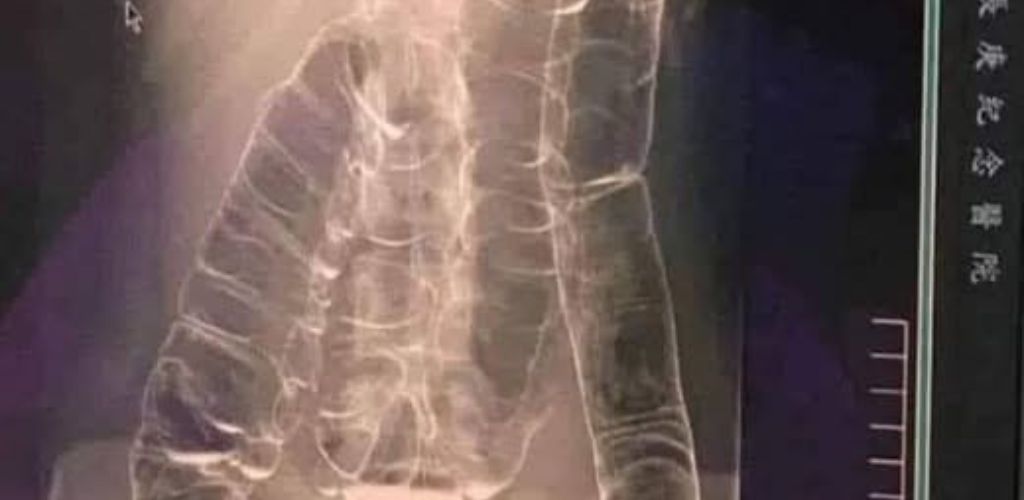
The term “saturated colon” is not recognized by medicine. It is often used to describe what doctors call severe constipation or fecal impaction, which is the accumulation of dry, hard stool in the colon and rectum, making it difficult to eliminate.
When your body is experiencing problems with its intestinal health, it sends clear alarm signals. Ignoring them can lead to significant discomfort and long-term complications.
The Body’s Alarm: Signs That Your Intestines Need Help
The human body is a complex and intelligent machine, and when the digestive system isn’t functioning well, the signals are more than just problems with the bathroom.
Physical Signs:
Chronic Constipation: Difficulty passing bowel movements, hard, dry stools, and fewer than three bowel movements per week are the main indicators. Bloating and Gas: A feeling of fullness in the stomach, abdominal bloating, and excess gas are signs that food is not being processed properly.
Abdominal Pain: Cramps and pain in the abdomen, which can range from mild to severe, are a common warning sign.
Feeling of incomplete emptying: Even after going to the bathroom, you feel like there is still stool to be eliminated.
General Signs:
Fatigue and Unexplained Tiredness: An improperly functioning intestine can affect nutrient absorption, leading to a lack of energy.
Skin Problems: Conditions such as acne and rashes can sometimes be linked to poor gut health and inflammation.
Bad Breath: The buildup of toxins and gas can manifest itself in unpleasant breath.
What to Do When the Alarm Rings
If you identify with these symptoms, don’t seek out a radical “colon cleanse.” Your body needs a consistent and healthy approach.
Increase fiber: Include more fruits, vegetables, legumes (beans, lentils), and whole grains (oats, flaxseed, chia) in your diet. Fiber softens stools and facilitates intestinal transit.
Stay hydrated: Drink plenty of water. Dehydration is one of the main causes of constipation.
Get moving: Physical activity stimulates bowel movements. Try to take regular walks.
See a doctor: If symptoms are severe or persistent, or if you notice other warning signs such as blood in the stool, unexplained weight loss, or severe pain, seek medical help immediately.