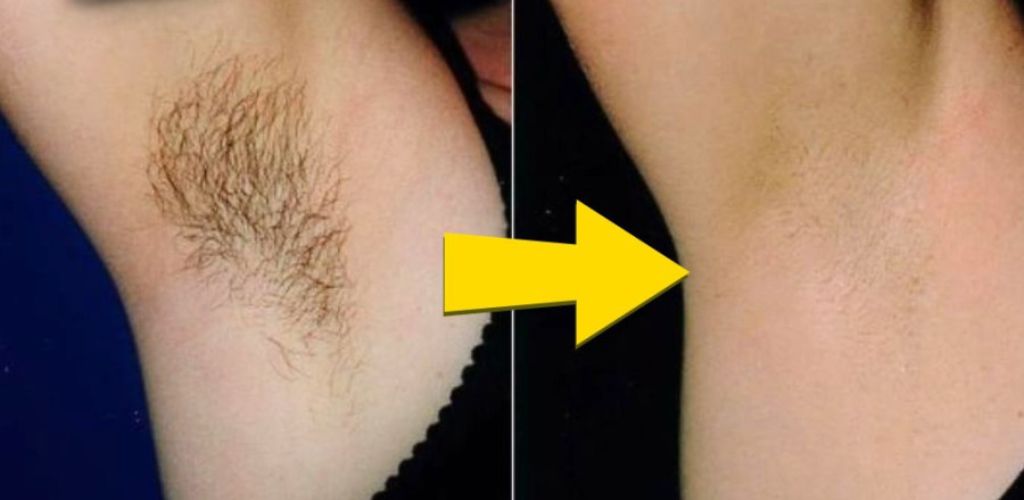
It’s essential to clarify that there are no natural methods that guarantee permanent facial, body, or bikini hair removal. Promises of homemade recipes that definitively eliminate hair have no scientific basis and can, in fact, be dangerous.
Many “natural” recipes circulating online, such as those using lemon and other abrasive ingredients, can cause serious irritation, burns, and dark spots on the skin (hyperpigmentation), especially if the treated areas are exposed to the sun.
Natural Methods for Temporary Hair Removal
Although not permanent, there are safe natural methods that help temporarily remove hair.
Exfoliation: Regularly exfoliating the skin with a mixture of sugar and olive oil or coffee grounds helps prevent ingrown hairs, softens the skin, and can weaken the hairs over time. Sugaring (Sugar Paste Hair Removal): This is an ancient and effective method. The paste is made from sugar, water, and lemon. When heated, it forms a wax that is applied and pulled in the direction of hair growth, causing less pain and irritation than traditional waxing.
Temporary Masks: Recipes with turmeric and chickpea flour can weaken hair and make it less visible over time, but they do not remove it permanently.
Professional Permanent Hair Removal Methods
If your goal is permanent hair removal, the only safe and effective way to achieve this is through professional treatments.
Laser Hair Removal: This uses a beam of light that targets the melanin in the hair and damages the follicle, preventing further growth. Several sessions are required, and effectiveness depends on skin tone and hair color.
Electrolysis: This is the only method recognized as 100% permanent. A professional inserts a fine needle into the hair follicle to destroy it with an electric current. Your safety and the health of your skin are our priority. Please avoid homemade recipes that promise miracles but can cause harm. For any questions about hair removal, it’s always best to consult a dermatologist.