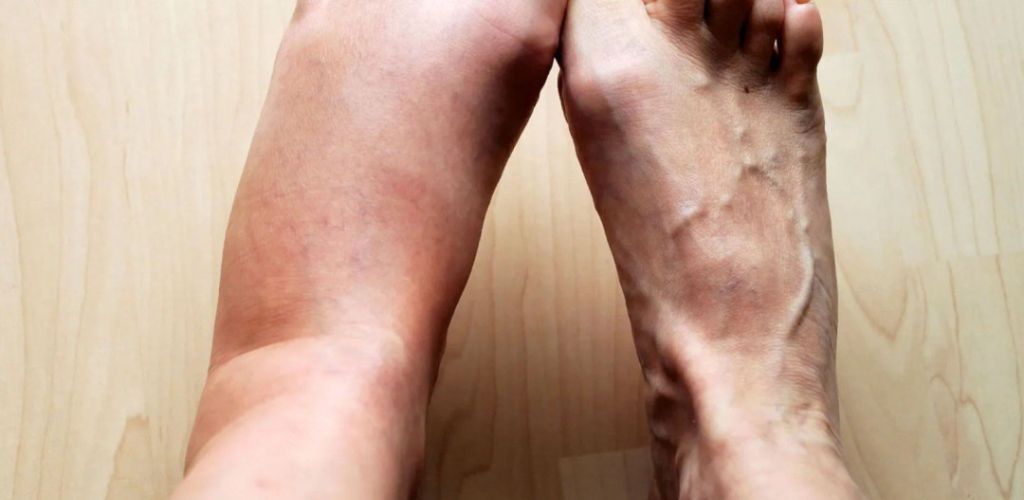
Your statement is partially correct, as vitamin C plays an important role in the overall health of the body, which can indirectly influence swelling. However, it is not, by itself, the “best” solution for all types of swelling.
Swelling (or edema) is the result of fluid accumulation in the body’s tissues and can have several causes, such as poor circulation, inflammation, excess sodium in the diet, or even more serious health problems.
The Role of Vitamin C
Vitamin C is a powerful antioxidant and plays a key role in the production of collagen, which is vital for blood vessel health. Strong, healthy veins and capillaries are essential for good circulation, which in turn helps prevent fluid accumulation and swelling. Severe vitamin C deficiency can lead to a condition called scurvy, whose symptoms include swollen and bleeding gums.
Other Essential Vitamins and Minerals
To combat bloating, it’s most effective to focus on a set of nutrients that work on different fronts:
Magnesium: This mineral is crucial for electrolyte balance and can help reduce fluid retention, especially in women with premenstrual syndrome.
Potassium: Potassium helps balance sodium levels in the body, stimulating urine production and the elimination of excess fluids.
Vitamin B6: Like magnesium, vitamin B6 has been shown to be effective in reducing fluid retention in women with premenstrual symptoms.
Vitamin B1: A deficiency in this vitamin can affect the functioning of the sodium-potassium pumps in cells, contributing to bloating.
What Really Works to Reduce Bloating
The most effective solution to bloating involves a comprehensive approach:
Reduce salt (sodium): Excess sodium is the most common cause of fluid retention. Drink more water: It may seem contradictory, but drinking plenty of water helps the body eliminate excess sodium and other waste, combating bloating.
Exercise: Physical activity improves blood and lymphatic circulation, helping pump fluids back to the heart.
Consume diuretic foods: Include foods like cucumber, watermelon, celery, parsley, hibiscus tea, and green tea in your diet.
If bloating persists or is accompanied by other symptoms, it’s crucial to see a doctor. Bloating can be a sign of underlying health conditions that require proper diagnosis and treatment.