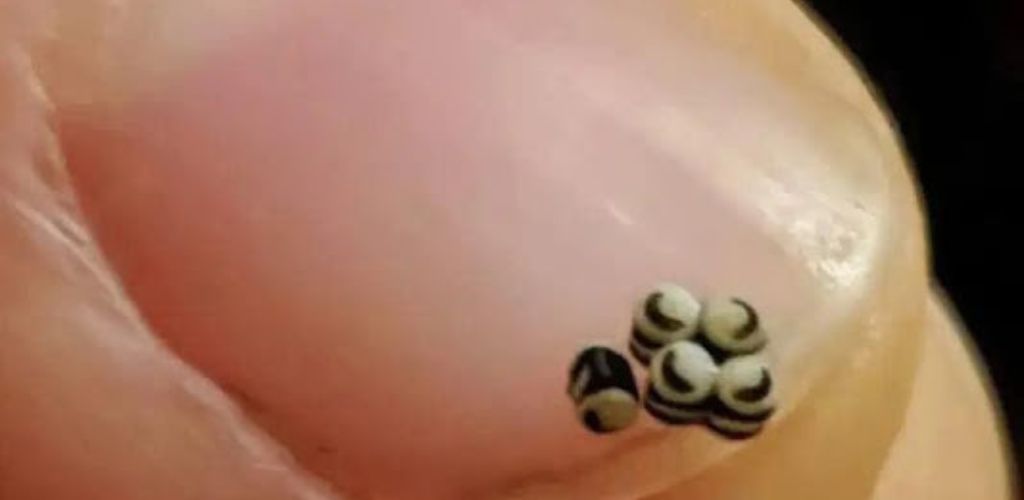
This alarming situation highlights how unexpected and potentially dangerous incidents can occur even with something as seemingly harmless as a salad. While it’s rare for food served in restaurants or prepared at home to cause such an extreme reaction, there are several possible explanations for why tiny black specks can appear on food and why they could pose a health risk. Let’s discuss what could have happened, the possible causes, and what steps to take if you encounter something similar.
What could the tiny black specks be?
The presence of tiny black specks on food can have a variety of causes, some harmless and others potentially dangerous. Here are some possibilities:
- Food Contaminants
Insects or Pests: Small black specks could be insect fragments, eggs, or larvae that were introduced into the food during storage or preparation. This is most common on leafy greens or grains that have not been thoroughly washed or inspected.
Rodent Droppings: If the food was stored improperly, it could have been contaminated with rodent droppings, which often appear as small black pellets or specks. - Mold or Mildew
Certain types of mold can appear as small black specks on produce. While some molds are harmless, others can produce toxins (mycotoxins) that are dangerous to consume. - Foreign Objects
Burnt Food Particles: In some cases, black specks could be remnants of burnt ingredients or seasonings that were not properly cleaned from cooking equipment.
Plastic or metal shavings: If the specks aren’t organic, they could be fragments of packaging, utensils, or cooking tools that accidentally ended up in the food. - Natural components of food
Some foods naturally contain seeds, specks, or dark particles (e.g., poppy seeds, sesame seeds, or ground spices like black pepper). However, these are usually recognizable and intentional.
Why did you go to the hospital?
If you felt ill after consuming the food or suspected it was contaminated, seeking medical attention was the right decision. Symptoms such as nausea, vomiting, diarrhea, abdominal pain, fever, or allergic reactions could indicate a foodborne illness or exposure to harmful substances. Here are some possible reasons for your visit to the hospital: - Suspected food poisoning
Consuming contaminated food can lead to infections caused by bacteria (e.g., E. coli, Salmonella), viruses (e.g., norovirus), or parasites. - Allergic Reaction
If the black specks were from an unknown allergen (e.g., insect fragments or chemical residue), you may have experienced an allergic response. - Toxic Exposure
If the specks were mold spores, rodent droppings, or chemical contaminants, ingestion could cause toxic effects requiring immediate medical attention. - Peace of Mind
Even if no symptoms were present, the uncertainty of what the particles were and whether they were safe to eat likely prompted you to seek professional evaluation.
Steps to Take After Such an Incident
If you find something suspicious in your food, here’s what you should do: - Stop Eating Immediately
If you notice unusual particles in your food, stop eating it immediately to avoid further exposure. - Document the Incident
Take photos of the food, including close-ups of the black specks, as well as any packaging or receipts. This documentation can be helpful in reporting the problem. - Contact the Restaurant
Inform the establishment of the incident. Trusted companies will promptly investigate and resolve the problem. - Inform Health Authorities
Notify your local health department or food safety agency. They can inspect the restaurant or supplier to ensure compliance with safety regulations. - Seek Medical Attention
If you experience symptoms or suspect contamination, go to a doctor or emergency room immediately. If possible, bring a sample of the food (stored securely in an airtight container). - Follow-up
Keep a record of your symptoms and treatment. If you suspect negligence, consult a legal professional to understand your rights.
How to Prevent Similar Incidents
To reduce the risk of encountering contaminated food, follow these tips: