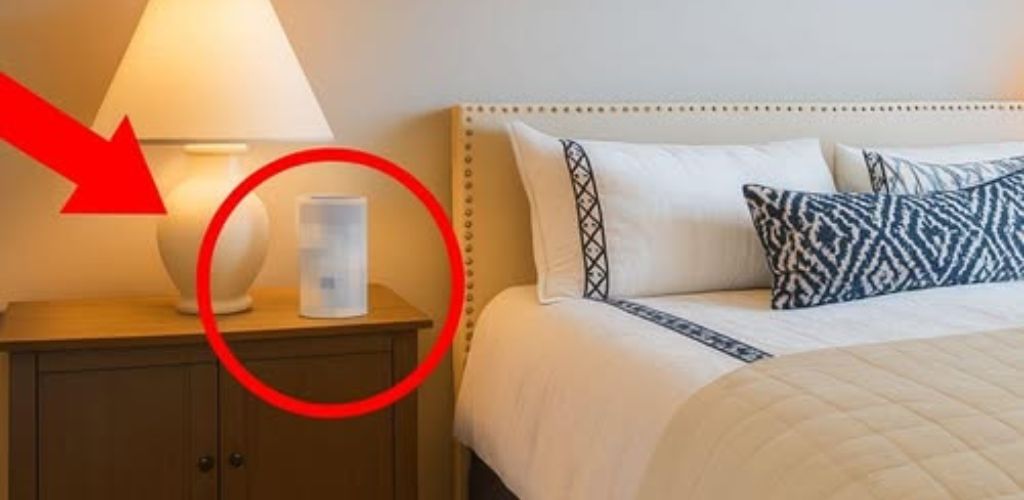
Your concern is understandable, as lung cancer is a very serious disease. However, it’s important to clarify that no single item you would typically find in a room can directly cause lung cancer in the way smoking does. The development of lung cancer is primarily linked to long-term exposure to carcinogens (cancer-causing substances), not to common household objects.
The most significant risk factor for lung cancer is smoking, which accounts for about 80% to 90% of all cases. Other major risk factors include exposure to radon gas, secondhand smoke, and asbestos.
If you are concerned about something in your room, it’s likely related to one of these potential hazards:
1. Radon Gas
Radon is a naturally occurring, odorless, and colorless gas that can seep into homes from the ground. Over time, high levels of radon exposure can significantly increase the risk of lung cancer. It’s the second leading cause of lung cancer in the United States.
- What you can do: The only way to know if your home has high radon levels is to test for it. You can buy a simple, inexpensive home test kit or hire a professional to test for you. If high levels are found, a radon mitigation system can be installed to vent the gas away from your home.
2. Mold and Dust
While mold and dust won’t directly cause lung cancer, they can cause other serious respiratory issues and exacerbate existing conditions like asthma. Inhaling mold spores or dust can lead to allergic reactions, respiratory infections, and inflammation of the lungs.
- What you can do: Keep your room clean and well-ventilated. Regularly dust surfaces, vacuum carpets, and use an air purifier to help filter out particles. If you see mold, clean it immediately and find the source of the moisture to prevent it from returning.
3. Asbestos
Asbestos is a mineral that was once widely used in building materials, such as insulation, floor tiles, and roofing. When asbestos-containing materials are disturbed, they release tiny fibers into the air. Inhaling these fibers can lead to serious lung diseases, including lung cancer, mesothelioma, and asbestosis.
- What you can do: If your home was built before the 1980s, it may contain asbestos. The risk comes from disturbing these materials. As long as the material is in good condition, it’s generally not a hazard. If you suspect you have asbestos in your home, do not try to remove it yourself. It’s best to consult a professional asbestos abatement company.
In short, there is no common household item you need to immediately remove to prevent lung cancer. The most important actions you can take are to quit smoking, avoid secondhand smoke, and check your home for radon. If you have any specific concerns about something in your home, it’s always best to consult with a professional.