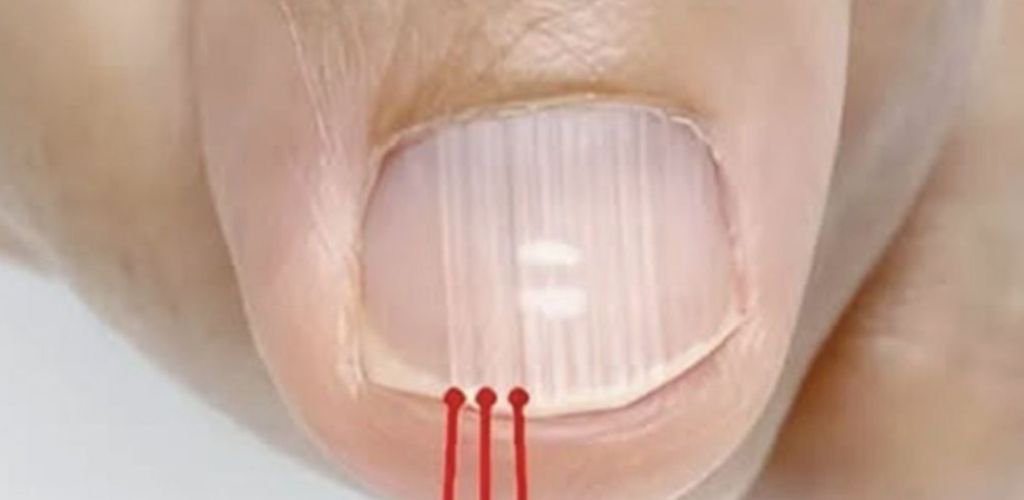
Understanding Nail Lines and What They Can Indicate
Nail lines, also known as ridges, are a common phenomenon that can appear on your fingernails or toenails. While often harmless, they can sometimes offer clues about your health. The key is to pay attention to the type of lines you’re seeing.
Vertical Ridges
These lines run from the cuticle to the tip of the nail. They are the most common type of nail ridges and are almost always a sign of aging. Just as wrinkles appear on your skin, vertical ridges can form on your nails as you get older.
- Cause: They are often caused by changes in the nail matrix—the area under the cuticle where new nail cells are produced—as you age.
- Significance: In most cases, they are harmless and are simply a natural part of the aging process.
- When to be cautious: In rare cases, if they are very deep, accompanied by changes in nail color, or if they appear suddenly, they could be related to conditions like anemia, nutrient deficiencies, or other health issues. However, this is not typical.
Horizontal Ridges (Beau’s Lines)
These lines run horizontally across the nail. They are much less common than vertical ridges and can be a sign that something has interrupted the growth of the nail. The nail matrix temporarily stopped producing new cells, creating a visible indentation.
- Cause: Beau’s lines are usually a reaction to a significant physical stressor or illness. This could be:
- A high fever
- Severe infection
- Heart attack
- Major surgery
- Nutritional deficiency
- Uncontrolled diabetes
- Significance: The appearance of Beau’s lines can often be a timeline. By measuring the distance from the cuticle to the line, you can estimate when the illness or stressor occurred. Nails grow about 3 millimeters per month, so a line that’s halfway up the nail indicates a health event that happened about three months ago.
- When to see a doctor: If you notice horizontal ridges, it’s a good idea to reflect on any significant health events or illnesses you’ve had in the past few months. If you can’t recall a cause or if you have other concerning symptoms, you should consult a doctor to rule out any underlying health conditions.
Other Possible Nail Indicators
- Nail Pitting: Small, pinpoint depressions on the nail surface are often associated with psoriasis, a chronic skin condition.
- Splinter Hemorrhages: These are tiny red or reddish-brown lines that look like splinters under the nail. They are caused by tiny damaged blood vessels and can be a sign of infection of the heart valve (endocarditis).
- Nail Discoloration: Yellow, green, or brown nails can signal various issues, from fungal infections to kidney or liver disease.
Conclusion
While many nail changes are benign, especially the common vertical ridges, any new or unusual lines—particularly horizontal ones—should be taken seriously. They are your body’s way of telling you that it has been through a stressful period. Paying attention to these subtle signs is an easy way to stay in tune with your overall health.
Have you ever noticed any of these lines on your nails?