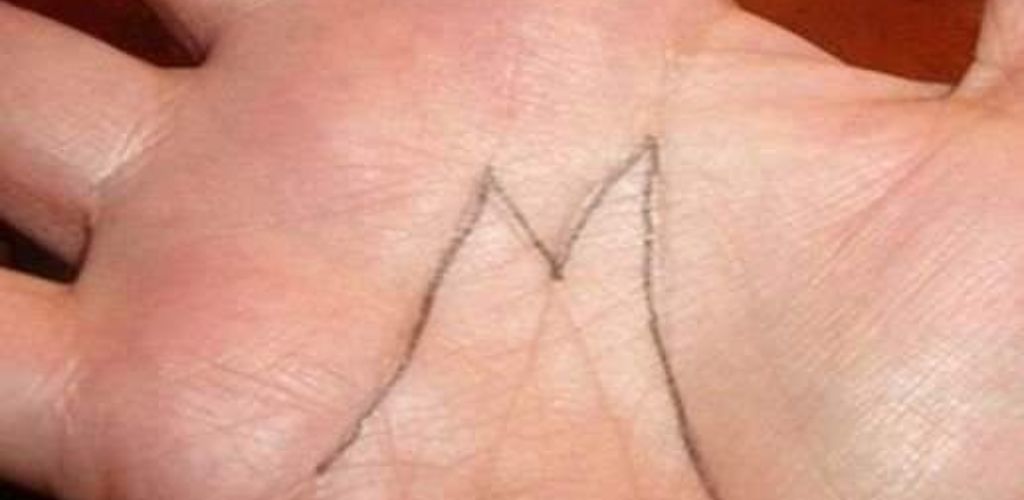
The Main Lines
Palmistry primarily focuses on three main lines, which are often the most prominent:
The Heart Line (Affections and Emotions):
Location: This line generally runs horizontally across the top of the palm, starting below the index or middle finger and extending toward the edge of the hand.
Interpretation: It represents your emotional life, your relationships, your feelings, and your capacity for love.
Long and Deep: Suggests a strong emotional nature, passionate relationships, and perhaps a tendency to be ruled by the heart.
Short: Could indicate someone who is more emotionally reserved or has fewer deep romantic ties.
Shackled or Broken: Could indicate emotional turmoil, heartbreak, or relationship difficulties.
Curved: Often found in expressive and caring individuals.
Straight: May indicate a more practical or stable approach to emotions.
The Head Line (Intelligence and Mentality):
Location: This line usually begins between the thumb and index finger and runs horizontally down the center of the palm.
Interpretation: It reflects your intellect, learning style, decision-making ability, creativity, and mental stability.
Long and Deep: Suggests a sharp and analytical mind, a good memory, and a love of learning.
Short: Could indicate a more practical and direct thinker who relies on intuition rather than deep analysis.
Curved (sloping downward): Often found in creative, imaginative, and intuitive individuals.
Straight: Can indicate a logical, rational, and realistic approach to life.
Broken or Chained: Could signify mental stress, indecision, or periods of mental fatigue.
The Life Line (Vitality and Life Path):
Location: This line usually arcs around the base of the thumb, beginning near the index finger and curving toward the wrist.
Interpretation: Despite its name, it does not predict how long you will live. It represents your vitality, physical health, major life changes, meaningful relationships, and your overall life path.
Long and Deep: Suggests strong vitality, good health, and a robust constitution.
Short or Weak: Could indicate a less energetic disposition or a need to focus more on self-care.
Deep and Continuous: Often associated with a stable and consistent life path.
Broken or Chained: Could indicate periods of illness, major life changes, or upheavals.
Closely connected to the Head line at the beginning: Suggests a cautious or dependent nature in early life.
Wide Curve: Often indicates a zest for life, an adventurous spirit, and strong social connections.
Minor Lines (and What They Might Suggest)
Beyond the three main lines, there are other lines that palmists can interpret:
The Fate Line (or Destiny Line): Runs vertically down the center of the palm. It is not always present and is believed to indicate career path, life purpose, and external influences.
The Sun Line (or Apollo Line): Runs parallel to the Fate Line and often indicates success, fame, talent, and happiness.
The Health Line (or Mercury Line): Runs diagonally across the palm, from the base of the pinky finger to the base of the thumb. It can indicate health issues, business acumen, and communication skills.
Marriage Lines: Small lines on the side of the palm, below the pinky finger. They are believed to represent relationships and marriages.
Travel Lines: Horizontal lines on the side of the palm opposite the thumb. They can indicate important trips or moves.
Important Considerations in Palmistry:
Both Hands: Some palmists believe that the dominant hand represents your present and future potential, while the non-dominant hand reflects inherited traits, past experiences, and innate character.
Flexibility: Lines can change over time, reflecting changes in a person’s life, mindset, and experiences.
Intuition: Many palmists emphasize that reading is not just about memorizing meanings but also about intuitive interpretation.
While palm reading offers a unique perspective on self-discovery and possible life paths, remember that it is a symbolic art, not a predictive science. It can be a fun way to reflect on your personality and aspirations.