Tomatoes are among the most popular crops of Czech gardeners and consumers. In the summer, they are a constant on the plate – in salads, sauces or just with salt and fresh bread. Nevertheless, many people complain about what they have long felt: tomatoes today no longer taste the way we remember them from childhood. They may have a perfect shape and shiny skin, but they often lack taste, aroma and soul.
Why is this so? And how to distinguish an honestly grown tomato from one that has been “ripened” with the help of chemistry?
🍅 Taste lost between chemistry and accelerated production
The reason is not only nostalgia. According to experts, the decline in taste is largely due to intensive agricultural production, which prioritizes yields and shelf life over quality. Varieties bred for appearance, not taste, are often used, and chemicals that accelerate ripening also play a significant role – for example, ethylene or growth regulators.
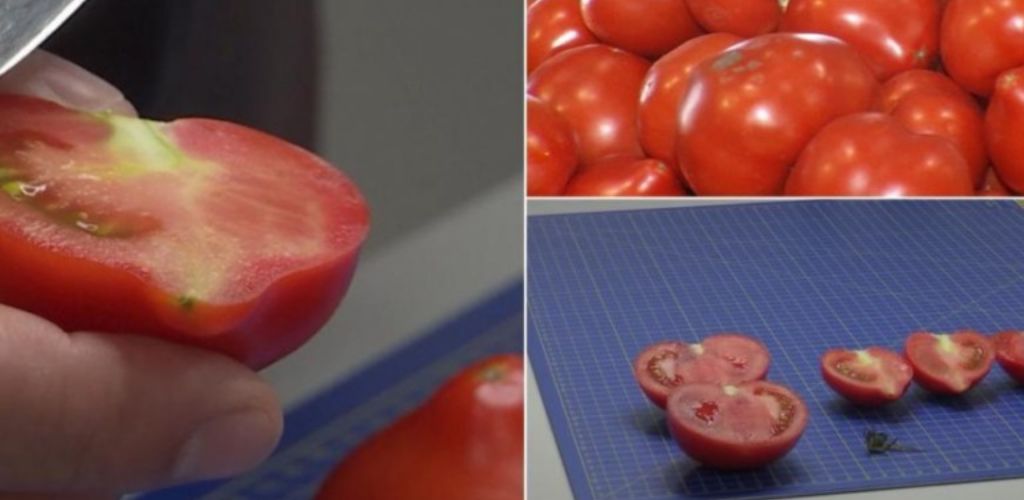
The result is tomatoes that are beautiful to look at, but when cut, they have pale or green insides, are hard, seedless and, most importantly, tasteless.
⚠️ How to recognize a chemically treated tomato?
Perfect in appearance, empty in taste: Shiny, hard skin, no aroma – this is a common sign of a “greenhouse” tomato treated with chemicals.
Green or white center parts: If you see unripe, hard parts inside when cut, the tomato has probably been ripened artificially.
Missing seeds: A seedless tomato is suspicious – it may be an import from non-European regions with different pesticide standards.
Overgrown “sensor” on the stem: Sometimes it indicates stimulation of flowering with chemicals, although in some varieties it may be natural.
🛒 Where to buy tomatoes with flavor
According to experts, the key to a good tomato is knowing its origin. Buy:
From local growers, ideally known and proven.
At farmers’ markets, where you can speak directly to the producer.
In organic food stores or specialized stores with certified goods.
💬 “If we know the grower and the origin, we can eat the tomato with confidence,” says, for example, an expert in plant genetics and director of the Czech gene bank.
👃 Trust your smell and taste
Simple rules to help you recognize quality:
Smell: An honest tomato smells. A chemically treated tomato is odorless.
Texture: Too hard skin and glassy flesh indicate an unripe tomato or artificial ripening.
Taste: If the tomato is bland or slightly sour, it has probably ripened without the sun.
📌 The consumer as a defender of taste
Laws and controls are not omnipotent. Even with stricter rules on pesticides and imports on the market, chemically “enhanced” tomatoes still find their way into stores. Until transparent labeling of cultivation method and origin is mandatory, the informed consumer remains the only true protector of quality.
✅ Summary: How to find the “tomato of your childhood”
Choose local and seasonal tomatoes.
Ask about the origin and cultivation method.
Trust your senses – smell, taste, appearance.
Avoid “perfect” fruits from supermarkets out of season.
Support honest growers who focus on quality, not quantity.
The taste of a real tomato cannot be replaced. It contains sun, soil, and the care of a gardener – not chemicals.