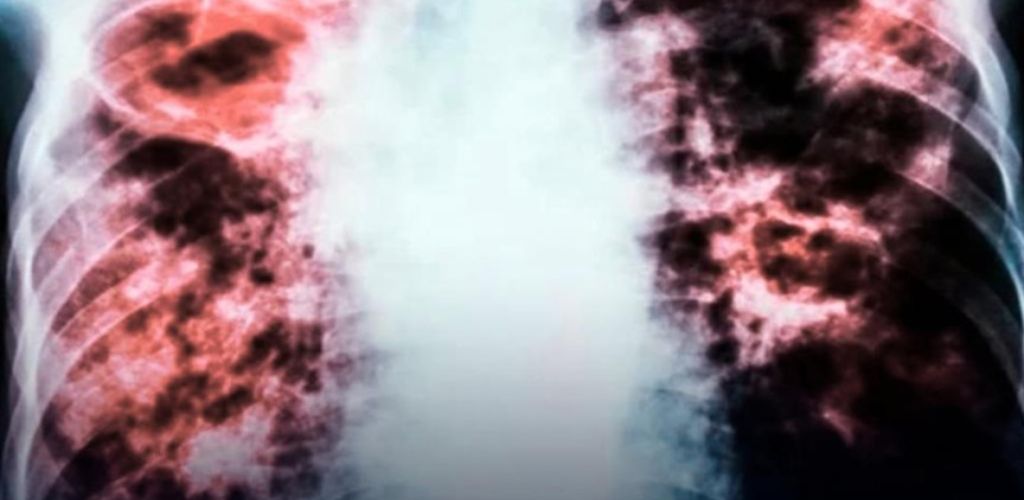
It’s a worrying trend: lung cancer is indeed becoming increasingly common among people who have never smoked. While smoking remains the biggest and best-known risk factor for lung cancer, studies suggest that cases among nonsmokers are increasing and now account for a significant proportion of all lung cancer diagnoses (about 10% to 20% in the US).
Why is this happening? Here are the main reasons researchers have identified:
Lung Cancer in Nonsmokers: Possible Reasons for the Increase
Radon Exposure
Radon is a colorless, odorless radioactive gas that occurs naturally in soil and rocks when uranium decays. It can infiltrate homes and buildings through cracks in foundations and walls and accumulate there, especially in poorly ventilated areas such as basements. Long-term exposure to high concentrations of radon is the second leading cause of lung cancer after smoking and the biggest risk factor for non-smokers.
Secondhand Smoke
Even if you don’t smoke, inhaling environmental tobacco smoke can significantly increase your risk of lung cancer. Secondhand smoke contains the same harmful and carcinogenic chemicals as the smoke inhaled by active smokers. It is estimated that secondhand smoke is responsible for thousands of cases of lung cancer in non-smokers each year.
Air Pollution (Fine Particulate Matter)
Exposure to fine particulate matter (PM2.5) and other air pollutants from industry, traffic, and the internal combustion of solid fuels (e.g., wood, coal) is increasingly recognized as a major risk factor for lung cancer in non-smokers. Recent research suggests that fine particulate matter can cause inflammation in the lungs, which can then “awaken” dormant cells with cancer-causing mutations, leading to the development of cancer. This may be different from direct DNA damage caused by smoking.
Occupational Exposure to Carcinogens
Some occupations involve exposure to carcinogens that can increase the risk of lung cancer, even if the person does not smoke. These include:
Asbestos: Fibers that cause lung damage when inhaled and can trigger mesothelioma, as well as lung cancer.
Diesel exhaust: Contains many harmful particles and gases.
Other chemicals: Arsenic, chromium, nickel, cadmium, and some forms of silicates.
Genetic Factors and Mutations
A significant proportion of nonsmokers with lung cancer have certain genetic mutations in their tumors, called “driver mutations” (for example, in the EGFR gene). These mutations can promote the growth of cancer cells and are even more common in nonsmokers than in smokers. Some of these mutations can be inherited (family history of lung cancer), while others develop spontaneously over the course of a lifetime. The good news is that tumors with such mutations generally respond well to targeted therapies.
Chronic Lung Diseases and Infections
Certain chronic lung diseases, such as chronic obstructive pulmonary disease (COPD), tuberculosis, or even chronic inflammation in the lungs, can increase the risk of lung cancer. Certain viral infections (e.g., HPV, HIV) are also being discussed in this context.
Main Findings:
The most commonly diagnosed lung cancer in nonsmokers is adenocarcinoma.
Women, especially of Asian descent, appear to be affected more frequently than men.
Research is intensively working to understand the exact mechanisms and other risk factors for lung cancer in nonsmokers in order to develop better prevention and treatment options.
While smoking remains the greatest risk factor, it is clear that lung cancer is a complex disease that can be triggered by a combination of genetic predispositions and environmental influences, regardless of smoking history.