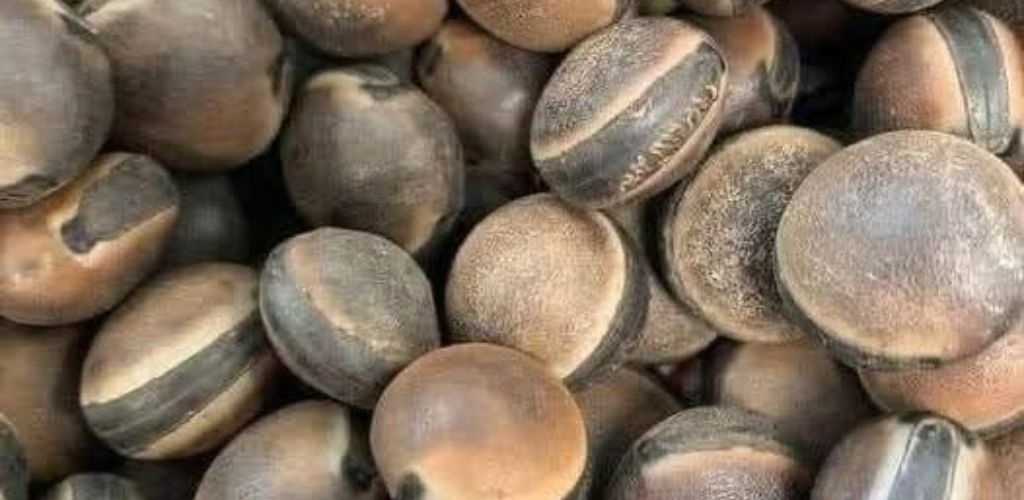
The Tahiti walnut, also known as Aleurites moluccanus or kukui nut, is native to tropical regions of the world, particularly the Pacific Islands, where it has a long history of use in traditional medicine and culture. However, as with many plants used in traditional cultures, the label “natural cancer remedy” should be treated with caution and has no scientific basis.
It is crucial to understand that there is no scientific evidence that Tahiti walnut can cure cancer. Such claims can be misleading and dangerous, as they can lead people to neglect proven medical treatments.
What Tahiti Nuts Can Really Do: Their Traditional Uses and Nutritional Value
While Tahiti nuts aren’t a miracle cure for cancer, they are a valuable plant with several traditional uses and impressive nutritional values that can contribute to overall health:
Rich in Unsaturated Fatty Acids: Nuts are an excellent source of omega-3 and omega-6 fatty acids, important for heart health, brain function, and reducing inflammation in the body. These fats contribute to healthy cellular function.
Antioxidant Properties: Tahiti nuts contain several antioxidants that can help neutralize free radicals. Free radicals are molecules that cause cell damage and are associated with chronic diseases, including cancer, and the aging process. Antioxidants are important for protecting cells, but they cannot cure cancer.
Skin and Hair Care: Kukui nut oil, extracted from Tahiti nuts, is highly sought after in the cosmetics industry. It is quickly absorbed, hydrating, and can provide relief for dry skin, eczema, and psoriasis. It is also used in hair care to add shine and reduce breakage. This is the most well-documented and recognized use of the Tahiti nut.
Digestive benefits (be careful!): Traditionally, Tahiti nuts were used in small amounts as a mild laxative. This is due to their high oil content. However, consuming large quantities of raw nuts can have a strong laxative effect and cause gastrointestinal discomfort. Therefore, nuts should be consumed in moderation and preferably roasted or cooked to deactivate potentially toxic components.
Source of vitamins and minerals: Nuts also contain vitamins such as vitamin E and some B vitamins, as well as minerals such as magnesium and phosphorus, all important for overall health.
Important information and precautions:
Raw nuts are poisonous! Raw Tahiti nuts contain toxins (saponins and cyanogenic glycosides) that can cause nausea, vomiting, and diarrhea. They should never be consumed raw in large quantities. Traditionally, they are roasted or cooked to inactivate these substances.
Not a cure for cancer: There is no scientific evidence that Tahiti nuts can cure cancer or replace established cancer treatments.
Medical advice: If you or someone you know has cancer, it is essential to consult a qualified medical professional and follow your treatment plan. Do not trust online claims of “miracle cures.”
Dietary supplements: If you intend to use Tahiti nut products (e.g., Tahiti nut oil or dietary supplements), research their origin and quality and consult a doctor or pharmacist if you have any questions.
Tahiti nuts are an interesting natural product with traditional uses and nutritional components, especially in skin care. Its “power” lies in its ability to contribute to general health and well-being, but not as a cure for serious diseases such as cancer.