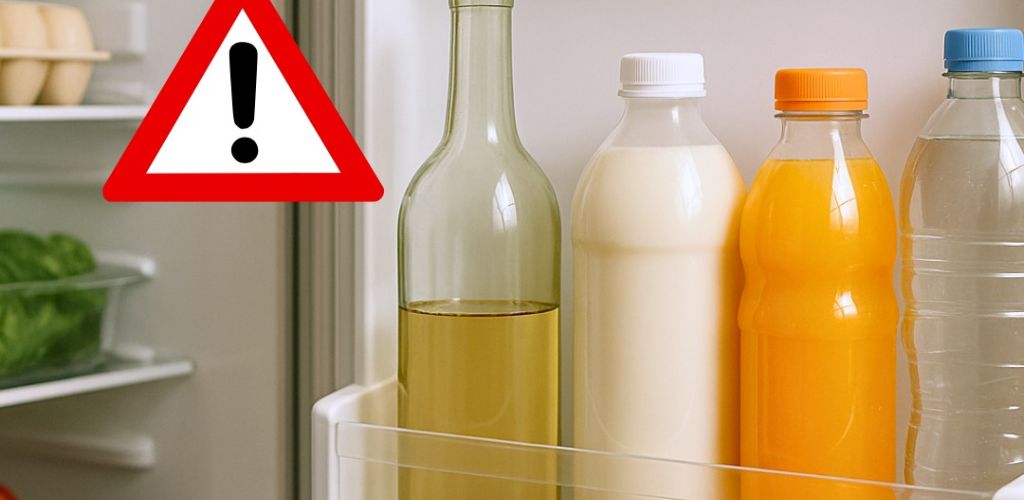
It’s every wine lover’s nightmare when a carefully selected or cherished wine goes bad prematurely and takes on an unpleasantly vinegary, sour taste. Many people immediately suspect the quality of the wine or the cork, but in most cases the problem lies in improper storage. Wine is extremely sensitive to environmental influences, and if we don’t pay attention to details, it can easily lose its freshness and enjoyment value.
Has Your Wine Turned Sour Too Quickly? It’s All About Storage!
The acetic acid bacteria in the air are responsible for the souring of wine, or more precisely, its vinegariness, which produce acetic acid and ethyl acetate from alcohol in the presence of oxygen. Here are the most common storage mistakes that speed up this process:
- Temperature Fluctuations and Too Warm a Place
The Problem: Wine is extremely sensitive to sudden and drastic temperature fluctuations. Too warm an environment (e.g. a kitchen, pantry, where the temperature fluctuates) accelerates the ripening process, but more importantly: it causes the cork to expand and contract.
The consequence: When the cork moves, air (and with it acetic acid bacteria) can enter the bottle, which triggers oxidation and vinegar. Higher temperatures also accelerate the aging and loss of flavor of the wine.
The Solution: Store the wine at a constant, cool temperature, ideally between 10-15°C (for white wines, preferably in the lower range, for red wines in the upper range). Consistency is the most important thing! - Poor Humidity (Air That’s Too Dry)
The Problem: If the storage location is too dry, especially for wines with cork stoppers, the cork can dry out and shrink.
The result: A dry, shrunken cork no longer seals airtight, allowing air to enter the wine, leading to souring.
The Solution: The ideal humidity is between 50-80%, which helps keep the cork moist and flexible. - Vertical Storage (For Wines with Cork Stoppers)
The Problem: Many households store wines vertically.
The result: If a wine with a cork stopper is stored upright, the cork is not in constant contact with the wine, so it can dry out and shrink. This again allows oxygen to enter. This is not a problem with wines with screw caps, glass stoppers, or plastic stoppers.
The solution: Always store wines with corks lying down so that the cork is constantly in contact with the wine and stays moist. - Light exposure
The problem: Wine is sensitive to UV light, especially white wines and sparkling wines.
The consequence: Light, especially direct sunlight or strong fluorescent lighting, can cause “light damage” in the wine, which can damage its flavor and aroma and accelerate oxidation.
The solution: Store wines in a dark place, away from direct light. This is why most wine bottles have dark, green or brown glass. - Shake and Vibration
The problem: Constant shaking or vibration (e.g. on top of a refrigerator, near a washing machine) can disrupt the natural maturation process of the wine.
The consequence: This can upset the wine’s chemical balance, accelerate aging and damage its flavor.
The Solution: Store your wine in a quiet, stable place with minimal vibration. - Improper Storage of an Open Bottle
The Problem: An opened wine will sour much faster than a closed one.
The result: Due to contact with oxygen, the wine will quickly lose its freshness and turn vinegary.
The Solution:
Reseal it airtight: Use a vacuum seal, wine pump, or a tightly fitting stopper.
Store in the refrigerator: The cold slows down the oxidation process.
Protective gas: Some people blow an inert gas (such as argon) onto the surface of the wine, which displaces the oxygen.
Transferring to a small bottle: If you only have a little wine left, transfer it to a smaller, airtight bottle to minimize the surface area that comes into contact with oxygen.
In summary, if you want your wine to stay in its best shape and not go rancid prematurely, invest in a proper storage environment – whether it’s a wine cellar, a wine cooler, or simply a cool, dark, stable place in your home. Your wine will thank you for taking care of it!
Do you have any questions about wine storage?