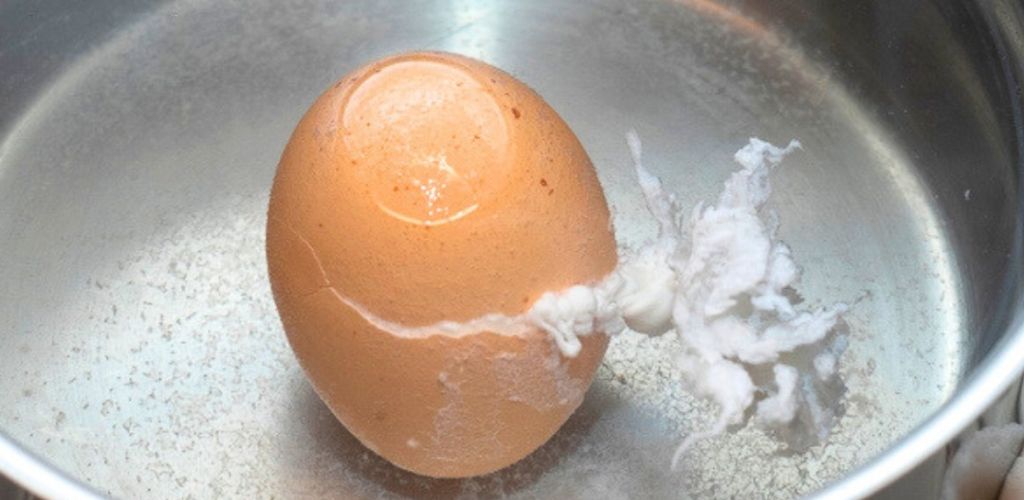
Cooking eggs may seem simple, but there are actually many little pitfalls that can affect the end result. Whether it’s soft-boiled eggs, hard-boiled eggs, or simply the perfect consistency, avoiding a few common mistakes can help you achieve a much better result. Here are 10 common mistakes when boiling eggs, and tips on how to avoid them!
10 Common Mistakes When Boiling Eggs (and How to Avoid Them)
- Suddenly from cold water to hot water
The mistake: When you put cold eggs straight into boiling water. The sudden temperature difference can cause the egg to crack and the whites to leak out.
How to avoid it: Always work with eggs at room temperature, or if you take them out of the refrigerator, let them sit for 15-20 minutes before you start cooking. Start with cold water, and place the eggs in the cold water, then heat them together. - Boiling water too hard
The mistake: If the water boils too hard, the eggs can collide in the pan and crack. Plus, the whites can become rubbery.
How to avoid it: The water should only be bubbling, not boiling wildly. When it starts to boil, reduce the heat to low so that only gentle bubbles break. - Too many eggs in one pot
The mistake: If you cram too many eggs into a small pot, they will cook unevenly and are more likely to clump and crack.
How to avoid it: Cook in smaller batches or use a larger pot to give the eggs enough room. - No salt or vinegar added
The mistake: If the egg cracks and you don’t add anything to the water, the white will immediately run out.
How to avoid it: Add a pinch of salt or a teaspoon of vinegar to the cooking water. These will help to precipitate the white if the egg cracks, so it doesn’t all run out. - Cooking time too long (for hard-boiled eggs)
The mistake: The yolk of hard-boiled eggs can turn grayish-green around the edges and the white will become rubbery. This is caused by the reaction of sulfur and iron in the egg.
How to avoid it: For perfect hard-boiled eggs, 9-12 minutes from the boil is enough, depending on the size. Don’t cook any longer! - No ice bath after cooking
The mistake: If you leave eggs hot, they will continue to cook due to the heat in the shell, which can overcook and make them difficult to peel.
How to avoid it: As soon as the cooking time is up, immediately transfer the eggs to a bowl of ice water. Leave them for at least 5-10 minutes. This not only stops the cooking process, but also helps the shell separate from the egg white, making it easier to peel. - Peeling fresh eggs as hard-boiled eggs
The mistake: Very fresh eggs are almost impossible to peel neatly because the whites stick tightly to the shell.
How to avoid it: For hard-boiled eggs, use eggs that are a few days or a week old. Fresh eggs are ideal for scrambled eggs or soft-boiled eggs. - Too little water
The mistake: If the eggs are not completely submerged in the water, they will cook unevenly.
How to avoid it: Always pour enough water into the pot to cover the eggs by about 2-3 cm. - You don’t know the cooking times
The mistake: You blindly cook your eggs and don’t know when they’re soft, semi-runny, or hard-boiled.
How to avoid it: Know the approximate cooking times and experiment to find your favorite:
Soft-boiled eggs: 3-5 per cent
Semi-runny yolks: 6-7 minutes
Crema de jarabe: 8-9 per cent
Fully hard-boiled yolks: 10-12 pc- You wait too long to peel
The mistake: If you leave your eggs to sit for too long after cooling, the shells can stick together more tightly again.
How to avoid it: Once the eggs have cooled completely in the ice bath, peel them relatively quickly. Cooling them in cold water and peeling them fresh is the key to easy peeling.
¡Boiling eggs is both a science and an art! I hope these tips help you make the perfect eggs! What kind of egg do you like the most?