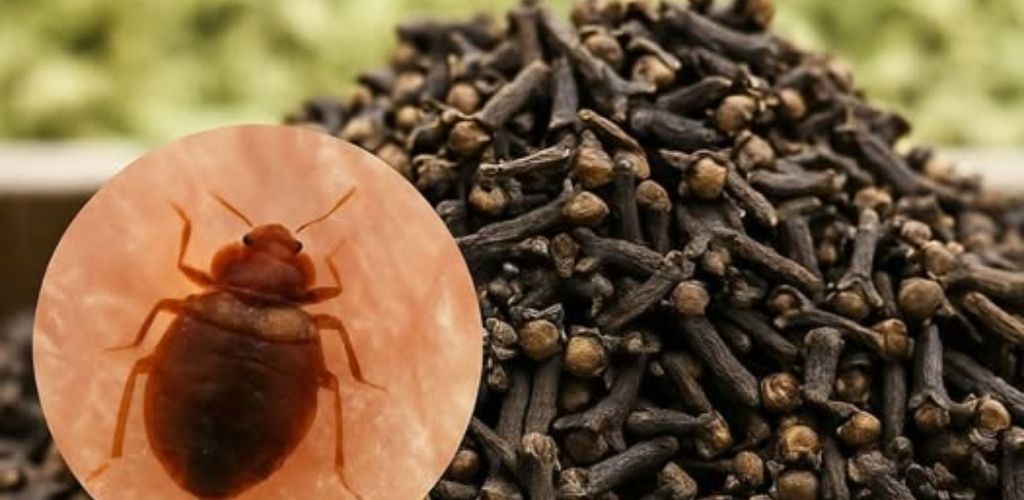
Ticks Hate That Smell: Natural Protection with Essential Oils and Plants 🌿👃
Ticks, like many other insects and arachnids, are repelled by the strong, specific scents of certain plants. These scents contain compounds that ticks find unpleasant or that interfere with their ability to “smell” their prey.
The Smell They Hate: Essential Oils and Aromatic Herbs
Ticks particularly hate the scents of essential oils with citrus, herbaceous, and woody notes. Some of the most effective include:
Geranium Essential Oil: This is often cited as one of the most effective natural tick repellents. Its floral, minty aroma is detested by these parasites. Lemongrass Essential Oil: With its fresh, citrusy scent, lemongrass (and citronella, which is similar) contains compounds that act as repellents.
Eucalyptus Essential Oil: Especially lemon eucalyptus, which contains citronellal, a compound known to repel insects.
Cedarwood Essential Oil: With a woody aroma, this oil is effective not only against ticks but also against fleas.
Rosemary Essential Oil: Its strong, herbaceous scent makes it a good repellent.
Lavender Essential Oil: Although best known as a mosquito repellent, lavender can also help ward off ticks due to its strong, sweet scent. Peppermint Essential Oil: Its minty, pungent scent is unpleasant to many insects.
Tea Tree Essential Oil (Melaleuca): In addition to being a repellent, it has antiseptic properties that can be helpful if you get bitten.
How to Use Natural Remedies for Protection:
The most common way to use these oils is in homemade sprays, applied to the skin or clothing.
Basic Tick Repellent Spray Recipe:
Ingredients:
10-15 drops of geranium essential oil (most recommended) or a combination of oils (e.g., geranium, lemon eucalyptus, rosemary).
30 ml of grain alcohol, vodka, or apple cider vinegar (helps disperse the oil and evaporate faster).
60 ml of distilled water or hydrosol (such as lavender water).
Optional: 1 teaspoon of vegetable oil (such as sweet almond or jojoba oil) to help it adhere to the skin.
Instructions:
In a dark glass spray bottle (essential oils degrade in light), add rubbing alcohol/vodka/vinegar.
Add a few drops of essential oils and shake well. The alcohol helps dissolve the essential oils.
Add distilled water (and vegetable oil, if using) and shake again to combine.
Label the bottle.
How to Use:
Shake well before each use.
Spray directly onto clothing (pants, socks, shoes) before going into wooded areas or tall grass.
You can apply a small amount to exposed skin, but always do a patch test first, especially if you have sensitive skin. Avoid the eye and mouth area.
Reapply every few hours, especially if you are sweating or after contact with water. Other Natural Protection Tips:
Proper Clothing: When hiking in tick-prone areas, wear long, light-colored pants (to better see ticks) and socks. Tuck your pants into your socks or boots.
Garden Plants: Growing plants like rosemary, lavender, citronella, mint, and basil around your garden can help deter ticks (and other insects) from your Ternopil home.
Garden Cleanup: Keep your lawn mowed, remove dry leaves and debris, and create a “buffer zone” of gravel or wood chips between your lawn and wooded areas, as ticks prefer moist, densely vegetated environments.
Post-Hiking Inspection: After spending time in high-risk areas, perform a thorough body inspection, especially in skin folds (armpits, groin, behind the ears, hairline), and also your clothing. Wash clothes in hot water if possible. Remember that prevention is the best defense against ticks and the diseases they can transmit. Using a combination of protective clothing, environmental cleaning, and natural repellents can significantly reduce the risk.
Do you have any previous experience with natural repellents or would you like to learn more about a specific essential oil?