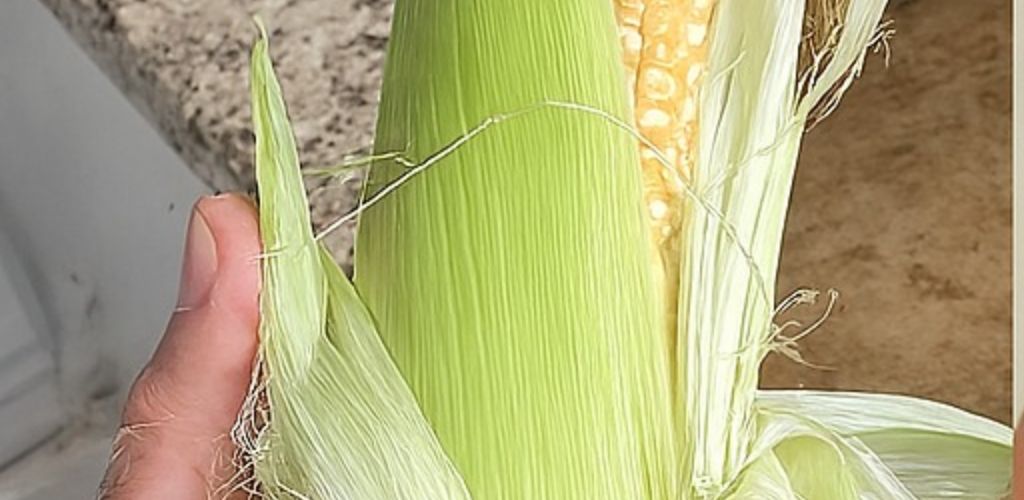
Corn Silk: The “Useless” Treasure for Your Health 🌽🌿💧
Corn silk, also known as Zea mays, is often carelessly discarded when cooking or cutting corn. However, this inconspicuous part of the plant has been valued for its healing properties for centuries in the traditional medicine of various cultures, including the indigenous peoples of the Americas and traditional Chinese medicine. Today, modern research also confirms many of its traditional uses.
Why corn silk is so valuable:
Corn silk is rich in a variety of bioactive compounds, including:
Flavonoids: Powerful antioxidants that help fight cellular damage caused by free radicals.
Phenolic acids: Another group of antioxidants with anti-inflammatory properties.
Vitamins: Especially vitamins C and K.
Minerals: Such as potassium, calcium, and magnesium.
Saponins: Plant compounds with potentially anti-inflammatory and immunostimulating properties.
Mycotic acid: A specific compound that contributes to the diuretic effect.
Health benefits of corn silk:
Urinary tract health and diuretic:
Promoting urinary excretion: This is its best-known use. Corn silk acts as a natural diuretic, helping to eliminate excess water and toxins from the body. This can provide relief from urinary tract infections, bladder infections, and kidney stones (by preventing or aiding the excretion of small stones).
Anti-inflammatory: Its anti-inflammatory properties can help relieve irritation and pain in the urinary tract.
Blood sugar regulation:
Some studies suggest that corn silk extract may help reduce blood sugar levels and improve insulin sensitivity, making it potentially useful for diabetics. Blood Pressure Control:
Due to its diuretic effect, corn silk may also help lower blood pressure by aiding in the removal of excess sodium from the body.
Cholesterol Control:
Preliminary research suggests that corn silk may also have a positive effect on cholesterol levels, reducing “bad” LDL cholesterol.
Antioxidant Effects:
The abundance of antioxidants protects the body’s cells from oxidative stress, which can contribute to chronic diseases such as heart disease and certain cancers.
Anti-Inflammatory Properties:
In addition to its effects on the urinary tract, corn silk may also have general anti-inflammatory effects, providing relief from various inflammatory conditions in the body.
How to Use Corn Silk:
The most common way to use corn silk is as a tea or infusion.
Preparing Corn Silk Tea:
Harvesting: If you buy fresh corn, carefully cut off the corn silk. You can also find them dried in herbal stores or online. Drying (optional): If you plan to use fresh corn silk, you can air-dry it first. To do this, spread it out on a clean cloth and let it dry in a well-ventilated area until crisp.
Infusion: Place 1 to 2 tablespoons of fresh corn silk (or 1 teaspoon of dried corn silk) in a cup.
Pour: Pour hot, but not boiling, water over the infusion.
Infusion: Let the tea steep for 10 to 15 minutes.
Strain and enjoy: Strain the corn silk and drink the tea. You can also refrigerate it and drink it cold.
Note: The color of the tea can range from light yellow to slightly brownish.
Important information:
Quality: Use only untreated (organic quality) corn silk to avoid pesticides.
Don’t overdo it: As with all diuretics, corn silk tea should be consumed in moderation. Medications: If you are taking medications (especially blood pressure medications, diuretics, or diabetes medications), consult your doctor before using corn silk tea regularly, as there may be interactions.
Pregnancy and breastfeeding: Pregnant and breastfeeding women should consult a doctor before consumption.
Allergies: People with allergies to corn or grass pollen should exercise caution.
Corn silk is a wonderful example of how nature offers us hidden treasures. Instead of throwing it away, we can enjoy its health benefits and contribute a little to our well-being.
Have you tried corn silk tea or heard about its benefits?