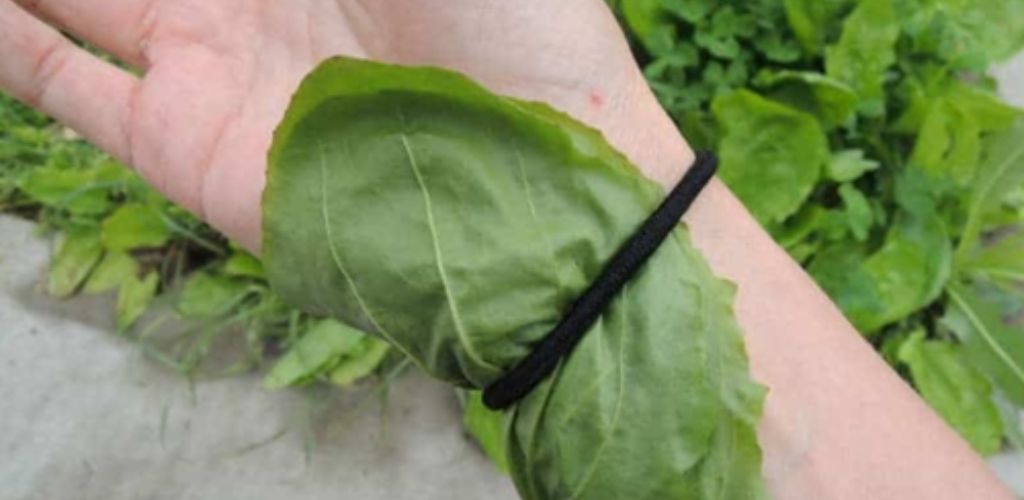
The incredible herb that cures many ailments: The knowledge of our great-grandmothers 🌿👵✨
Without mentioning a specific herb, the description fits several of our native medicinal plants, used in traditional medicine for centuries. Among the most likely candidates for this “incredible herb” are plants such as plantain, chamomile, calendula, and comfrey. All of them are characterized by their versatile healing properties, making them an indispensable part of the home medicine cabinet.
Take plantain (Plantago lanceolata) as an example, which can be found in most gardens and fields and perfectly fits its description. It’s a true miracle cure from nature!
Wild Plantain: A Multitalent of Nature
Wild plantain is known for its constituents, such as mucilage, tannins, flavonoids, silica, and aucubabin (an iridoid glycoside). These give it a wide range of healing properties:
Anti-inflammatory: Helps reduce inflammation in the body.
Antibacterial and antiseptic: Acts against bacteria and cleanses, preventing infections.
Cough reliever and relieves cough: Particularly useful for respiratory illnesses.
Wound healing: Helps regenerate skin and mucous membranes.
Itching relief: Soothes irritated skin.
How to prepare ointments, syrups, and disinfectants with wild plantain:
Ointment for wounds, skin irritations, and minor inflammation:
A wild plantain ointment is ideal for treating insect bites, minor cuts, abrasions, rashes, or chapped skin.
Preparation:
Collect fresh wild plantain leaves (preferably from uncontaminated areas). Wash and dry thoroughly.
Chop the leaves coarsely.
Heat a neutral fatty substance (e.g., coconut oil, shea butter, or a vegetable oil, such as olive oil mixed with beeswax for a thicker consistency) in a double boiler.
Add the chopped leaves and let the mixture steep over low heat for 2 to 3 hours (do not boil!). The active ingredients will dissolve in the oil.
Strain the mixture through a fine strainer or cloth to remove any plant residue.
Pour the liquid ointment into clean jars and let it solidify. Store in a cool, dark place.
2nd Syrup for Cough and Respiratory Problems:
Plantain syrup is an old home remedy for coughs, hoarseness, and bronchitis, as it has an expectorant effect and relieves coughs.
Preparation (classic cold infusion method):
Pick fresh plantain leaves. Wash and dry thoroughly.
Alternate a layer of finely chopped plantain leaves and a layer of sugar (preferably brown sugar or granulated sugar) in a clean jar. Start with the leaves and finish with the sugar.
Press the layers lightly. Loosely close the jar (it still needs to be aired a little) and place it in a cool, dark place (e.g., a basement) for several weeks (4 to 8 weeks) until a syrup forms.
Strain the resulting syrup and pour it into dark bottles. Store in the refrigerator.
Disinfectant/Wound Dressing (fresh):
The simplest and quickest application is a fresh plant poultice.
Preparation and Application:
Pick fresh, clean plantain leaves.
Rinse them briefly.
Crush the leaves between your fingers or rub them briefly until the juice begins to flow.
Apply the crushed leaves directly to small wounds, insect bites, blisters, or skin irritations. Secure them with a bandage or dressing if necessary.
The antiseptic and healing properties instantly relieve pain and itching, promoting healing.
Our great-grandmothers’ knowledge of nature’s healing powers is an invaluable legacy. It’s worth rediscovering these simple and effective methods and incorporating them into our modern daily lives.
What herb did your great-grandmothers know particularly well, and how did they use it?