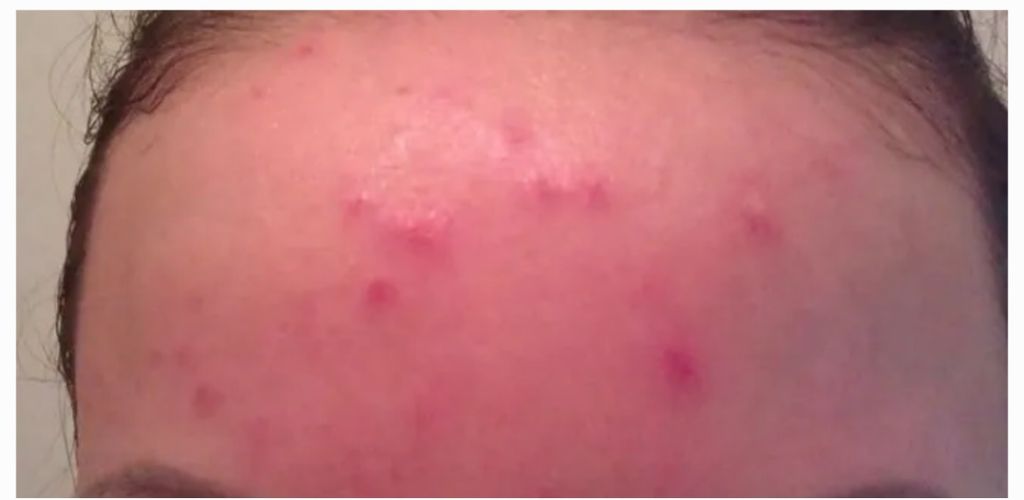
The unknown power in your medicine cabinet: A pill for acne, dandruff, and calluses! ✨💊
The description suggests a widely available and affordable pill that, when applied externally, has surprisingly versatile effects. It’s not a pill taken orally to treat these conditions, but one whose ingredients are effective when applied topically. The “trick” lies in its repurposing for external use.
The most likely “pill” with these properties is aspirin, or more specifically, the acetylsalicylic acid (ASA) contained in aspirin.
Why aspirin (acetylsalicylic acid) can be so effective:
Acetylsalicylic acid is a derivative of salicylic acid, a proven active ingredient in skin care. Its effectiveness in treating these conditions is based on several properties:
Exfoliating Effect (Keratolytic): Salicylic acid is a beta-hydroxy acid (BHA). It breaks the bonds between dead skin cells, promoting their exfoliation. This is crucial for the treatment of:
Calluses: Thickened, callused skin is softened and can be removed more easily.
Dandruff: Helps loosen and remove excess skin cells from the scalp.
Anti-inflammatory Effect: Aspirin is a well-known anti-inflammatory agent. When applied topically, it can reduce the redness and swelling often associated with acne or scalp irritation.
Acne: Reduces inflammation in pimples and blackheads and helps unclog pores, as it is oil-soluble and can penetrate deep into the pores. Antimicrobial Properties: Salicylic acid may also have mild antimicrobial effects, useful in fighting bacteria or yeast (such as Malassezia globosa, which often causes dandruff).
How to use aspirin for these conditions (as a “home remedy”):
Important Note: These uses are home remedies and should be used with caution and not on sensitive skin or open wounds. If symptoms are severe or you are unsure, always consult a doctor or dermatologist.
For Acne: Aspirin Face Mask
Preparation: Crush 2 to 3 uncoated aspirin tablets into a fine powder. Mix the powder with a few drops of water (or unscented aloe vera gel or honey) to form a thick paste.
Application: Apply the paste spot-on to individual pimples or apply a thin layer to the affected areas of the face (avoiding the eye area). Leave on for 10 to 15 minutes.
Rinse: Rinse thoroughly with warm water. Your skin may feel a little dry afterward, so apply a light moisturizer.
Frequency: Use 1 to 2 times a week or overnight on individual razor bumps if needed.
For dandruff: Aspirin in shampoo
Preparation: Crush 2 to 3 uncoated aspirin tablets into a very fine powder.
Application: Mix the powder with your usual amount of shampoo. Wash your hair as usual and gently massage the mixture into your scalp. Leave on for 3 to 5 minutes.
Rinse: Rinse thoroughly to remove all residue.
Frequency: Use 2 to 3 times a week until dandruff improves.
For calluses (hard skin): Aspirin paste or foot bath
Preparation (paste): Crush 5 to 6 aspirin tablets into a powder. Mix with a little lemon juice (or water) and a teaspoon of honey to form a thick paste. Application (paste): Apply the paste to the affected calluses. Cover the area with plastic wrap and a sock for maximum effectiveness. Leave on for 20 to 30 minutes (or longer). Then, calluses can be gently removed with a pumice stone or foot file.
Preparation (foot bath): Alternatively, you can add 5 to 10 crushed aspirin tablets to a warm foot bath and soak your feet for 20 to 30 minutes.
Frequency: Use once or twice a week, depending on the severity of the calluses.
Important warnings:
Do not use if allergic: If you are allergic to aspirin or salicylates, do not use these products.
Skin irritation: Discontinue use immediately if redness, burning, intense itching, or pain occurs.
Sunscreen: Salicylic acid can make the skin more sensitive to light. Be sure to use sunscreen after using your face. Do not use on open wounds: Aspirin should not be applied to open wounds, irritated, or damaged skin.
Children: Do not use on children, especially if they have a fever, due to the risk of Reye’s syndrome when taking aspirin orally. The risks are lower with topical use, but caution is still recommended.