Cockroaches and ants are common pests that can be difficult to control. Fortunately, there are natural scents they hate that can be used as repellents, helping to keep them away from your home.
Smells Cockroaches Can’t Stand
Cockroaches have a very sensitive sense of smell and are repelled by strong, specific scents.
Bay Leaf: This is one of the most effective natural repellents for cockroaches. The smell of bay leaves, pleasant to us, is unbearable to them.
How to use: Spread bay leaves (fresh or dried, crushed to intensify the scent) in strategic places such as corners of cabinets, drawers, near cracks, and under furniture. Replace the leaves every 15 days. Peppermint: Peppermint’s strong, minty aroma is highly unpleasant for cockroaches and can even affect their nervous system.
How to use: Use peppermint essential oil. Mix 10-15 drops in a glass of water with a few drops of liquid soap in a spray bottle and spray in areas where cockroaches are seen (baseboards, crevices, doors, windows, cabinets). You can also put a few drops on cotton balls and spread them in corners.
Citrus Fruits (Lemon, Orange, Kaffir Lime, Eucalyptus): Citrus compounds like limonene and citronellol are repellents to various insects, including cockroaches. Eucalyptus oil also has a pungent aroma that repels them.
How to use: Spread lemon or orange peels in strategic places. Use lemon, orange, kaffir lime, or eucalyptus essential oils diluted in water in a spray bottle or on cotton balls. Cloves: The eugenol in cloves has a strong odor that cockroaches avoid.
How to use: Scatter whole or powdered cloves around cockroach habitats. You can also mix cloves with alcohol and spray.
Rosemary and Lavender: These aromatic plants also have strong scents that disorient and repel cockroaches.
How to use: Keep pots of rosemary and lavender at home, or use their essential oils diluted in water to spray, or in sachets and cotton balls.
Garlic and Neem: Fresh garlic is also a cockroach repellent. Neem powder, from the Azadirachta indica plant, contains compounds that affect cockroach development and repel them.
How to use: Spread neem powder in cracks and corners.
Smells Ants Can’t Stand
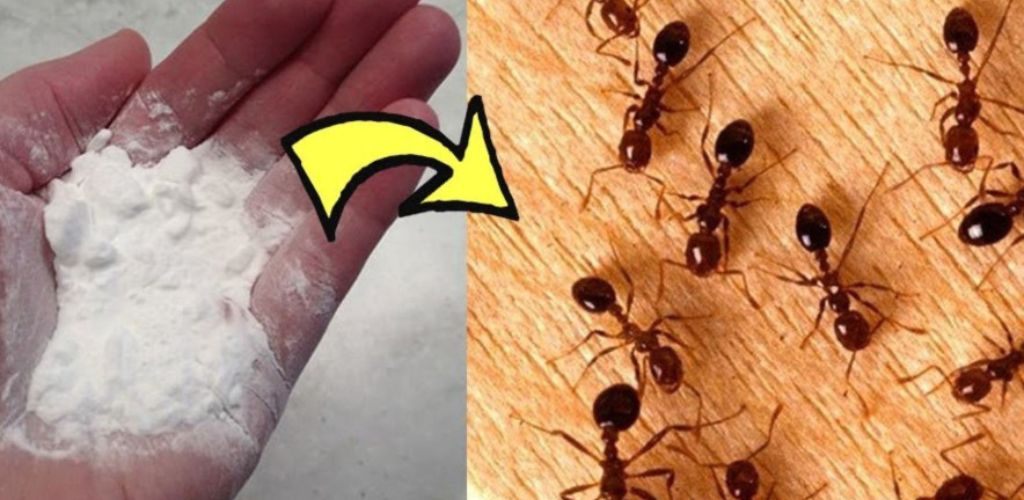
Ants rely heavily on pheromone trails to communicate and find food, and strong scents can interrupt and erase these trails.
Cinnamon: One of the most effective natural ant repellents. The intense scent can even suffocate them.
How to use: Sprinkle cinnamon powder around ant entry points and around the house, or dilute a few drops of cinnamon essential oil in water and spray on surfaces. Placing whole cinnamon sticks in cabinets and drawers also helps.
Lemon: The acidity and citrus aroma of lemon disorient ants and neutralize their pheromone trails.
How to use: Squeeze lemon juice into cracks and entry points. You can mix lemon juice with white vinegar for an even stronger effect. Lemon peels can also be used, scattered strategically.
Peppermint: Peppermint oil is a powerful ant repellent because it interferes with their ability to communicate through scent.
How to use: Mix 10 drops of peppermint essential oil in 400ml of water and spray on problem areas. Potted mint plants near windows and doors are also helpful.
Cloves: Just like for cockroaches, the scent of cloves repels ants.
How to use: Scatter whole cloves on shelves, corners, and near foods like sugar. You can also mix cloves with sugar (ants can’t stand the smell and won’t come near it).
White Vinegar: The strong smell of vinegar and its acidity erase ant pheromone trails.
How to use: Mix equal parts white vinegar and water and spray on surfaces and areas they pass through.
Coffee Grounds: The strong smell of coffee grounds interferes with ant scent trails.
How to use: Spread dry coffee grounds in areas where ants are known to be present.
Fresh Garlic and Bay Leaves: These are also effective at repelling ants due to their intense odors. Important Tips for Using Natural Repellents:
Cleanliness is Key: Natural repellents are most effective when used in conjunction with good hygiene. Keep your home clean, free of exposed food debris, and seal cracks and crevices.
Reapplication: Natural scents tend to dissipate more quickly than chemical products, so regular reapplication (daily or every few days, depending on the method) is essential to maintain effectiveness.
Beware of Pets: Although natural, some essential oils can be toxic to pets if ingested in large quantities. Use with caution and in places where they have no access.