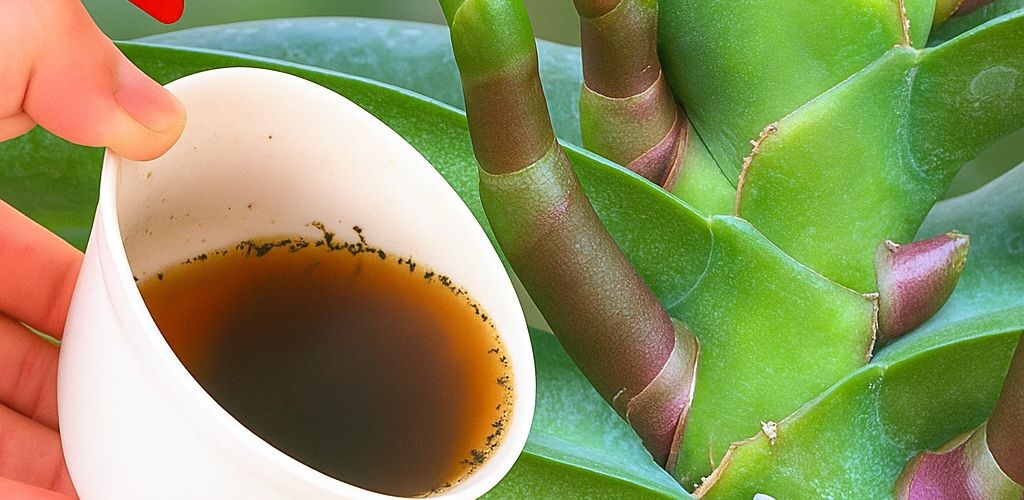
The “Magic Cup”: The Secret to Proper Watering for Reviving Orchids
The “cup” is a metaphor for the controlled amount of water and, more importantly, the deep hydration technique that avoids waterlogging. Lifeless orchids are often suffering from dehydration (dry, shriveled roots, limp leaves) or, paradoxically, from overwatering that has led to root rot. The cup technique addresses both issues.
What “one cup” really means:
It means providing enough water to saturate the substrate, allowing the roots to absorb what they need, but without leaving the orchid sitting in stagnant water.
The 3 Steps of the “Cup” to Recovery:
The Controlled Soaking (The Full “Cup”):
Fill a cup (or a container slightly larger than the orchid’s pot) with room-temperature water. Filtered, rainwater, or distilled water is preferred, but tap water without excess chlorine will also work.
Place the orchid pot inside the cup. Make sure the water level reaches almost to the top of the orchid’s pot, or at least covers most of the substrate and exposed roots.
Let the orchid “drink” for 15 to 30 minutes. This time allows the substrate (pine bark, sphagnum moss, etc.) to slowly absorb the water and the roots to rehydrate. This deep hydration is much more effective than quick overhead waterings, which often don’t reach the deeper roots.
Essential Drainage (Avoiding Terrible Overwatering):
After soaking, remove the pot from the cup and let it drain completely. It’s crucial that no water remains in the saucer or at the bottom of the decorative pot. Standing water is the main cause of orchid root rot, which ultimately leads to their “death.”
Orchid substrate is designed to dry quickly, mimicking the natural environment where epiphytic orchids grow clinging to trees.
The Correct Frequency (Don’t Overwater):
Watering frequency is as important as technique. For most orchids (such as Phalaenopsis, the most common), water only when the substrate is almost completely dry.
Check the pot’s weight: A light pot means the substrate is dry.
Check the roots: Phalaenopsis roots, for example, turn dark green when wet and whitish or grayish when dry and in need of water. Generally, this means watering once a week in summer (here in Ternopil, in the warmer months) and every 10-14 days in winter, but always adjust to your home’s conditions (humidity, temperature).
Why this technique works to “revive” orchids:
Deep Rehydration: Ensures all roots and substrate are saturated.
Rot Prevention: Complete drainage prevents waterlogging, which kills roots.
Simulates Natural Habitat: Mimics the cycle of rain and drought that orchids experience in nature.
Nutrients: If you add a specific orchid fertilizer (well diluted) to the soaking water from time to time, you will be providing essential nutrients in a controlled manner.
Important: If the orchid is truly “lifeless” (completely rotted roots and irreversibly yellowed/dried leaves), no trick will likely save it. However, if it’s dehydrated but still has some viable roots and the “heart” of the plant is intact, the “cup” technique is indeed the best way to give it a second chance to bloom again here in Ternopil.
Try it and see the difference that careful watering can make!