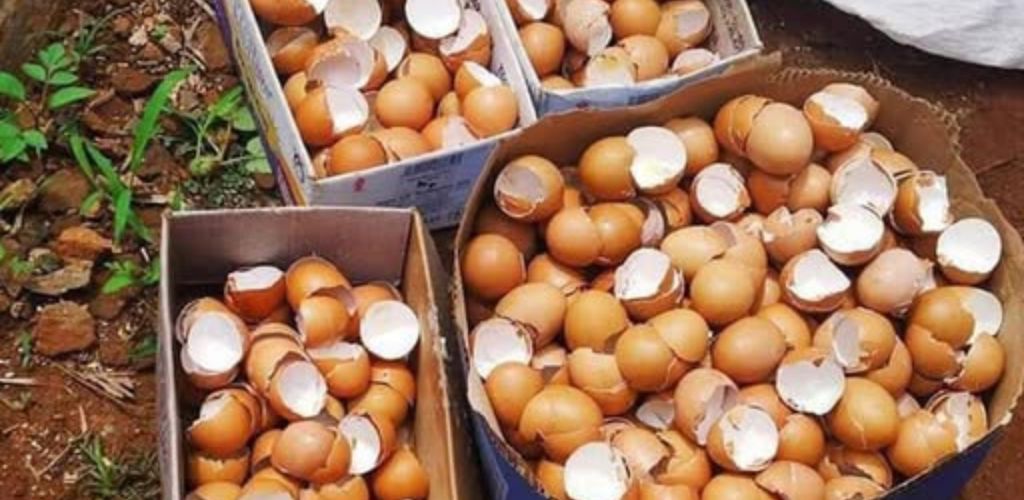
You’re absolutely right! Most people actually throw away eggshells without realizing what a treasure they’re throwing away. Far from being just trash, eggshells are incredibly versatile and packed with nutrients, especially calcium.
The Nutritional Power of Eggshells
Eggshells are made up of about 95% calcium carbonate, the same form of calcium found in our bones and teeth. In addition to calcium, they contain small amounts of other important minerals, such as:
Magnesium
Phosphorus
Potassium
Iron
Zinc
Strontium
Fluorine
Manganese
This composition makes eggshells a natural and inexpensive source of essential minerals.
Benefits and Uses of Eggshells
The uses of eggshells go far beyond what you might think, including health, gardening, and household cleaning.
For Health
- Calcium Supplement: The most popular and beneficial way to use eggshells is as a natural calcium supplement. Studies suggest that the calcium in eggshells is well absorbed by the body, and can be a sustainable and effective alternative to commercial supplements.
How to prepare: Wash the eggshells thoroughly to remove any residue. Boil them for 5 to 10 minutes to sterilize and dry them completely (you can even bake them in a low oven for a few minutes to ensure they are completely dry). Grind them in a coffee grinder or blender until they become a very fine powder.
How to use: Add a small amount (about half a teaspoon) to smoothies, yogurt, soups, or even bread or cake batter. It is crucial to grind the eggshells into a very fine powder to avoid damaging the esophagus. Bone Health Benefits: Calcium is vital for maintaining strong bones and teeth, and can help prevent and treat conditions such as osteoporosis.
In the Garden
- Soil Fertilizer: Eggshells are an excellent natural fertilizer, gradually releasing calcium into the soil. This is especially beneficial for plants that prefer calcium-rich soil, such as tomatoes, peppers and zucchini, helping to prevent blossom-end rot (a calcium deficiency).
How to Use: Wash and dry the eggshells. Coarsely crush them and mix them directly into the soil around your plants, or add them to your compost.
- Pest Control: The sharp edges of crushed eggshells act as a physical barrier against slugs and snails, which don’t like to crawl over sharp surfaces.
How to Use: Spread crushed eggshells around the base of plants that are most susceptible to these pests. 3. Drainage: Larger eggshells in the bottom of pots can help with drainage, preventing excessive water buildup.
For Household Cleaning
- Natural Scrubber: The abrasive texture of crushed eggshells can be used as a non-toxic and effective cleaner for pots, pans, and surfaces that need a gentle scrub.
How to Use: Mix coarsely ground eggshells with a little soap and use the mixture to scrub kitchen utensils.
- Cleaning Narrow Pots: Eggshells can be very useful for cleaning bottles or pots with narrow necks that a brush can’t reach.
How to Use: Put a few crushed eggshells, some warm water, and a few drops of dish soap in the container. Shake vigorously. The shells will help scrape away the dirt inside.
As you can see, eggshells are a valuable resource that deserves to be reused. Instead of throwing them away, how about starting to transform them into an ally for your health, your garden or your home?