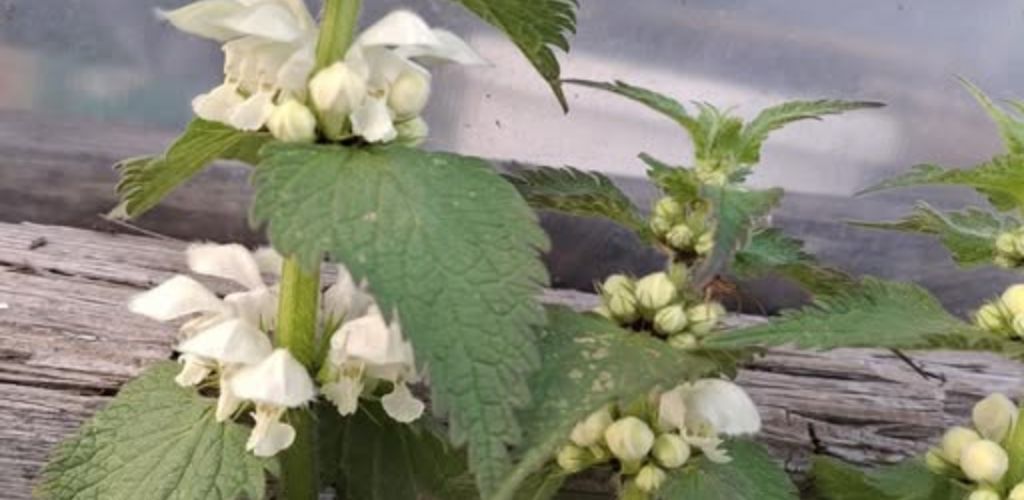
The plant you refer to as “White Suraftles” is widely known as White Nettle or Lamium album in its scientific name. Despite its name, it does not have the stinging properties of common nettle (Urtica dioica), and is in fact a member of the mint family (Lamiaceae).
Lamium album has been used in traditional medicine for its various therapeutic properties and benefits.
Therapeutic Properties of White Nettle (Lamium album)
White Nettle is rich in bioactive compounds such as flavonoids, iridoid glycosides, tannins, mucilages and essential oils, which contribute to its various actions in the body. The main properties include:
Anti-inflammatory: Helps reduce inflammation in various parts of the body.
Astringent: Promotes tissue contraction, useful for stopping bleeding and drying secretions.
Antispasmodic: Relieves muscle spasms and cramps.
Diuretic: Increases urine production, helping to eliminate toxins.
Vulnerary: Promotes wound healing.
Uterine Tonic: Traditionally used to strengthen the uterus and regulate the menstrual cycle.
Expectorant: Helps eliminate mucus from the respiratory tract.
Antibacterial and Antimicrobial: Has demonstrated activity against certain bacteria and fungi.
Antioxidant: Fights free radicals, protecting the body’s cells.
Sedative: In some doses, it can have a calming effect.
Benefits of White Nettle
The benefits of White Nettle are vast, mainly due to its mentioned properties:
Women’s Health: It is widely used to treat gynecological problems such as:
Menorrhagia: Heavy menstrual flow.
Metrorrhagia: Irregular uterine bleeding.
Leucorrhoea: Excessive vaginal discharge.
Vaginal and cervical inflammation.
Menstrual pain.
Respiratory Problems: Helps relieve conditions such as:
Chronic bronchitis.
Pharyngitis.
Nasal congestion and catarrh.
Digestive Health:
Diarrhea: Due to its astringent action.
Inflammation and gastrointestinal irritation.
Hemorrhoids.
Urinary Problems:
Mild urinary infections.
Benign Prostatic Hyperplasia (BPH): In some cases, it helps treat prostate problems.
Skin Health:
Healing of wounds, cuts, bites and burns.
Oily skin and dandruff: Cold infusions can be used as a tonic.
Eczema and mild skin inflammation.
Other Benefits:
Relief from varicose veins.
Oral Health: As a gargle for mouth ulcers, bleeding gums and sore throat.
Improved mood and vitality: Traditionally associated with properties that “cheer up the heart”.
Recipes for Using White Nettle
White Nettle can be used in a variety of ways, both for culinary and medicinal purposes.
Medicinal Consumption Methods:
Tea (Infusion):
Ingredients: 1-3 teaspoons of dried White Nettle flowers and/or leaves for each cup of hot water.
Preparation: Add White Nettle to boiling water, cover and let infuse for 5-10 minutes. Strain and drink.
Use: Can be consumed up to 3 times a day for menstrual, respiratory, digestive problems or as a diuretic. For prolonged treatment, a cycle of 3 weeks of consumption and 1 week of rest is suggested.
Tincture:
Tincture is a concentrated form of the herb, usually prepared with alcohol. Dosage and preparation should be guided by a health professional or herbalist.
Compresses and Poultices:
Ingredients: Fresh or dried White Nettle leaves (can be lightly crushed or macerated), hot water.
Preparation: For compresses, dip a clean cloth in the concentrated White Nettle infusion. For poultices, crush the fresh leaves until they form a paste or mix the dried powdered leaves with a little water to make a paste.
Use: Apply directly to the skin for wounds, minor burns, bites, varicose veins or skin inflammations.
Sitz Bath or Vaginal Steam (Yoni Steam):
Ingredients: White Nettle flowers and leaves.
Preparation: Make a concentrated infusion of the herbs in hot water. For a sitz bath, add the infusion to the bath water. For vaginal steam, pour the hot infusion into a basin and sit over the steam (being careful not to burn yourself).
Use: To treat vaginal discharge, inflammation or discomfort in the intimate area.