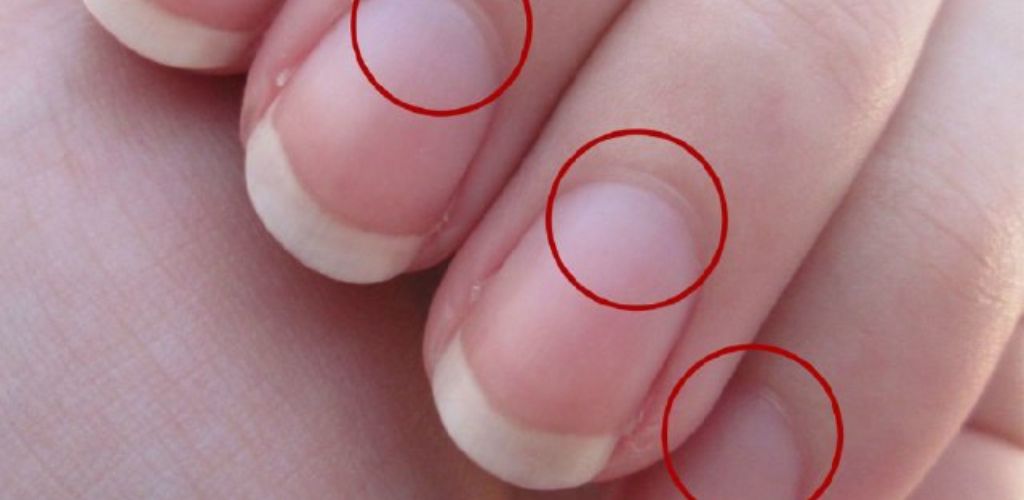
The lunula, that white “half-moon” at the base of your nail, is actually an interesting part of the nail anatomy and can, in some cases, provide clues about your health.
What is the Lunula?
The lunula (from the Latin “little moon”) is the visible part of the nail root, also known as the nail matrix. It is lighter in color because the cells in this region are not yet fully keratinized (the process that makes them hard and transparent) and there is a thicker underlying basal layer that obscures the blood vessels. It is most prominent on the thumbs and may be less visible or absent on the other fingers.
The Meaning of a Missing Lunula
Is it always a health problem?
Not necessarily. The absence of a visible lunula on some nails, especially on the little finger, is quite common and is not, in itself, a sign of a health problem. In many cases, it is simply covered by the skin (eponychium or cuticle) or is naturally smaller. It is still there, it is just not visible.
When can the absence of a lunula indicate something?
While the absence itself is not always a cause for concern, sudden changes in the size or visibility of the lunula on several nails can sometimes be associated with certain health conditions. It is important to note that changes in the nails are rarely the only symptom of a disease and should be evaluated in conjunction with other signs.
Some conditions that have sometimes been associated with small or absent lunulae include:
Circulation problems: Some studies suggest a link with circulatory or blood pressure disorders.
Thyroid problems: Thyroid gland dysfunction can affect the body’s overall metabolism, which can be reflected in the nails.
Nutritional deficiencies: A lack of certain nutrients, such as iron (anemia) and vitamin B12, can affect nail health in a number of ways, including the appearance of the lunula.