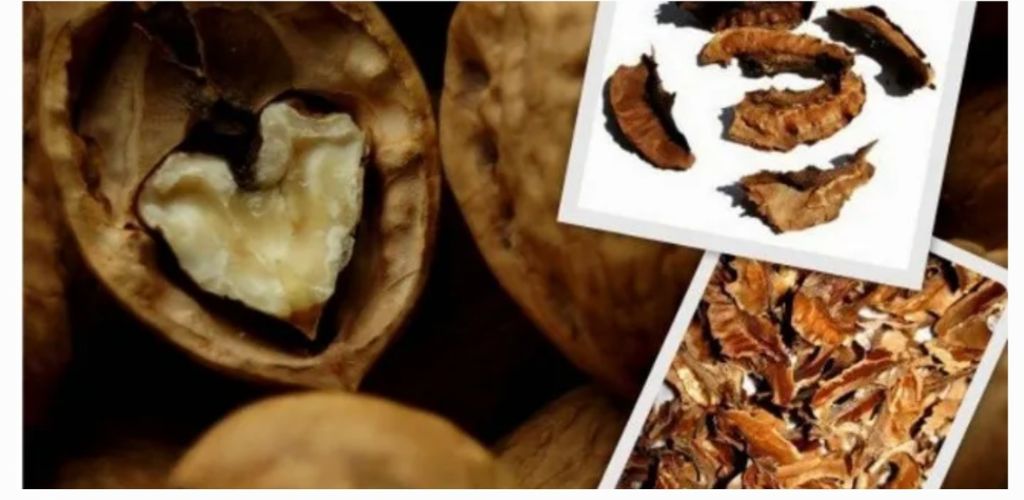
Walnut Shells: A Folk Remedy with Traditional Roots
Although scientific research on the specific benefits of infusing walnut shells alone is limited and not widely supported by large clinical studies, walnuts themselves are a highly nutritious and well-studied food. The shells, as well as the green husk, contain compounds similar to those found in walnuts, such as tannins, flavonoids and polyphenols, which are known for their antioxidant and anti-inflammatory properties.
In folk medicine, walnut split infusion is traditionally attributed to benefits such as:
Thyroid Health: Some believe that it can help regulate thyroid function, especially in cases of hypothyroidism, due to the natural iodine present in walnuts (although in varying amounts and not concentrated in the splits).
Immune Strengthening: Antioxidants can contribute to a more robust immune system.
Digestive Improvement: Tannins can have an astringent effect that benefits the digestive tract.
Glycemic Control: There are suggestions that it can help regulate blood sugar levels.
Anti-inflammatory Action: Due to its antioxidant profile, it can help reduce inflammation in the body.
How the infusion would be prepared (according to folk tradition):
The idea would be to use the dried splits of several walnuts, place them in a container and pour boiling water over them, leaving to infuse for some time before straining and drinking. Concentration and dosage can vary greatly in folk practices.
Important: Considerations and Precautions
Despite the stories and folk wisdom, it is crucial to approach this type of home remedy with caution and to be well informed:
Scientific Evidence: Although walnuts are well studied and their benefits for cardiovascular, brain and intestinal health are scientifically proven (due to omega-3, fiber, antioxidants, etc.), the efficacy and safety of infusing walnut shells specifically to treat medical conditions does not have the same level of robust scientific evidence. Research generally focuses on the whole nut.
Dosage and Toxicity: The concentration of compounds in the shells can vary. There are no standardized dosages for walnut shell infusions, and excessive consumption of certain substances, even natural ones, can be harmful. For example, large amounts of tannins can interfere with the absorption of nutrients. Drug Interactions: If a person is taking medications, the tea may interact with them, altering their effectiveness or causing side effects.
Allergies: People with nut allergies should avoid any part of the plant.
Medical Conditions: Serious health conditions, such as thyroid problems, require diagnosis and medical treatment. Relying solely on home remedies can delay necessary and appropriate treatment.
The story of a doctor being surprised may be true – perhaps the person had deficiencies that were addressed, or the placebo effect played a significant role, or the tea supplemented existing treatments. However, it is essential that anyone in Ternopil or anywhere considering using home remedies for health conditions always consult a qualified doctor or healthcare professional. They can provide safe, evidence-based guidance, ensuring that the treatment is appropriate and safe.
It is wonderful how nature provides us with so many resources, but using them wisely and with knowledge is always the best way!