Based on your question, it seems that there has been a bit of confusion or a popular term for a plant. The word “Materna” does not refer to a specific plant with extensive documented medicinal and culinary uses as such.
However, research suggests that “Materna” is a common name for:
Vitamin and nutritional supplements for pregnancy, such as those from the Nestlé brand (Materna Prenatal Multivitamins+DHA). These are formulated to support the nutritional needs of pregnant and lactating women, containing folate, iron, calcium, DHA, etc.
In medicinal contexts, “Materna” can refer to female infertility medications (such as Materna CC 50MG Tablet, Materna HMG 75IU Injection or Materna Hcg 5000IU Injection), which are hormones or ovulation stimulants and should be used under strict medical supervision.
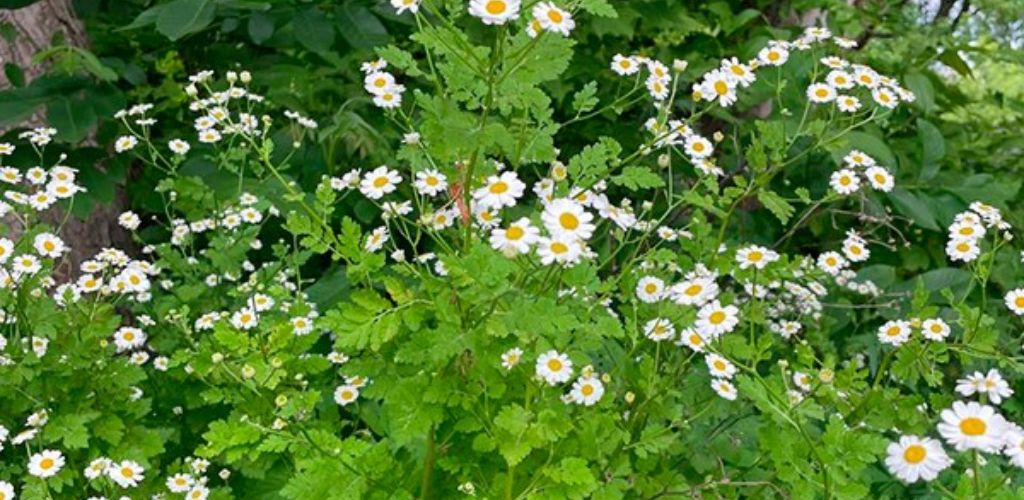
You are most likely referring to the plant known as “Feverfew” or “Meadow Arnica” (scientific name Tanacetum parthenium). This plant is traditionally known for its medicinal properties and may be the “gift from heaven” you describe.
Let’s explore the benefits, medicinal properties and uses of Feverfew, as it is the plant that best fits its description:
Feverfew (Tanacetum parthenium): The Medicinal Herb with a Thousand and One Uses 🌿
Feverfew, a plant from the Asteraceae family, has been valued for centuries in traditional medicine for its powerful properties. It is often called the “medieval aspirin” due to its long history of use in relieving various inflammatory and painful conditions.
Benefits and Medicinal Properties:
Migraine Relief: This is its best-known and most studied application. Feverfew contains compounds such as parthenolide, which is believed to inhibit the release of substances that trigger inflammation and constriction of blood vessels in the brain, contributing to the prevention and reduction of the frequency and intensity of migraine attacks.
Anti-inflammatory Action: Thanks to its compounds, such as parthenolide, Feverfew has potent anti-inflammatory properties. This makes it useful for conditions such as rheumatoid arthritis, joint pain, and other inflammatory conditions.
Fever Reduction: Traditionally, it was used as a “febrifuge” to help reduce fever, hence the name “feverfew” (from “fever-fugue,” meaning “to chase away fever”).
Menstrual Pain Relief: May help relieve menstrual cramps and other period-related discomforts due to its antispasmodic and anti-inflammatory properties.
Digestion and Nausea: Traditionally used for stomach aches, indigestion, flatulence, and nausea (including that associated with migraines).
Other Traditional Uses: Historically, it has been used for toothache, ringing in the ears (tinnitus), vertigo, insect bites, and even childbirth problems.
Uses and Recipes:
It is important to note that tansy has a rather bitter and strong flavor. Therefore, it is not generally used in common culinary recipes as a vegetable or aromatic herb. Its use is predominantly medicinal.
Fresh Leaves:
For the prevention of migraines, some people chew one to three fresh leaves per day, usually wrapped in a piece of bread or fruit to mask the bitter taste. However, chewing the fresh leaves can cause oral ulcers and irritation of the mouth and tongue in some people.
Tea (Infusion):
How to make: Use 1 teaspoon of dried leaves (or 2-3 teaspoons of chopped fresh leaves) per cup of boiling water. Pour the water over the leaves, cover and let infuse for 5-15 minutes. Strain and drink.
Dosage: You can drink 1 to 3 cups per day, depending on the need and guidance of a health professional. Honey or lemon can be added to improve the taste.
Tincture:
The tincture is a more concentrated alcoholic extract of the herb. Dosage varies depending on the concentration of the tincture and should be used under the guidance of a herbalist.
Capsules/Supplements:
This is the most common and convenient way to consume tansy, especially for preventing migraines, as the dose of parthenolide is standardized. Doses can range from 100 mg to 300 mg of standardized extract (containing 0.2-0.4% parthenolide) per day. Always follow the manufacturer’s or your doctor/pharmacist’s instructions.
Topical Recipes (External Use):
Although culinary use is rare, tansy can be used topically for the skin:
Skin Moisturizing Lotion: Some traditional recipes suggest boiling a handful of tansy leaves in 300 ml of milk for 20 minutes. Allow to cool, strain and use the resulting liquid as a lotion to moisturize dry skin, help fade blemishes and discourage blackheads. Store in the refrigerator.