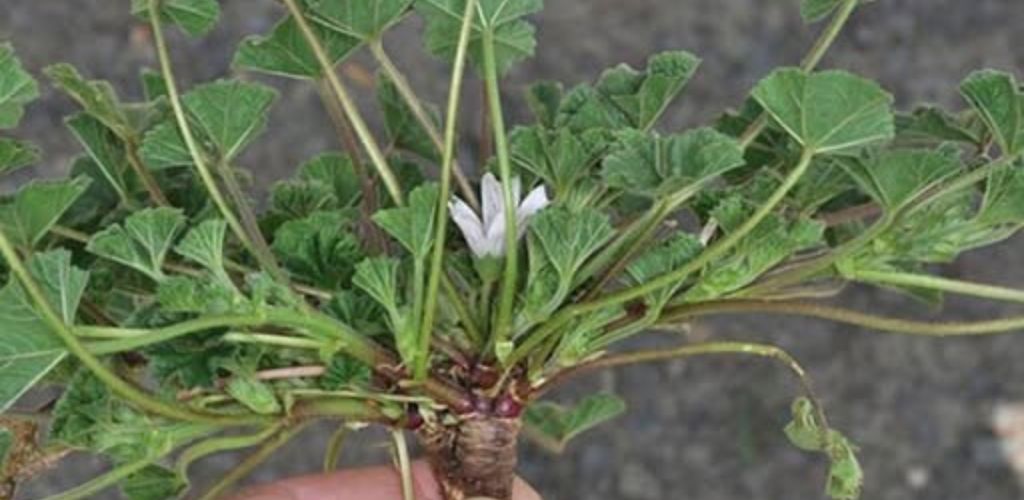
Malva sylvestris L.) is a herbaceous plant widely recognized for its medicinal properties, primarily due to its high mucilage content, which are substances that form a gel when in contact with water, providing an emollient and protective effect.
Here are the 10 main health benefits of mallow leaves:
10 Main Health Benefits of Mallow Leaves 🌿
- Anti-inflammatory and soothing action on mucous membranes
The mucilages present in mallow leaves form a protective layer on irritated mucous membranes (such as the throat, stomach, or skin), relieving inflammation and pain. This is an excellent remedy for conditions such as pharyngitis, laryngitis and skin irritations. - Tough and Throat Relief
Thanks to its demulcent and expectorant properties, a mallow helps soothe the skin, especially dry and irritated skin. It softens the throat and helps fluidize and eliminate the mucous membrane, being useful in cases of colds, flu and bronchi. - Digestive Health and Relief from Ventre Prison
As mucilages act as a mild and natural laxative. By absorbing water, we increase the volume of the feces and become stronger, facilitating intestinal transit and relieving pressure from the belly in a non-aggressive way. It is especially recommended for children and the disabled. - Protection of the stomach and intestines
Due to its emollient substance, mallow can protect the gastric and intestinal mucosa, being beneficial in cases of gastritis, gastric and duodenal ulcers, and colitis. Helps relieve irritation and inflammation in these regions. - Ferida Healing and Skin Recovery Acceleration
Applied topically in poultices or compresses, mallow has healing and anti-inflammatory properties that help in the recovery of small wounds, minor burns, insect bites, boils and abscesses. Reduz o inchaço ea dor local. - Relief from Canker Sores and Oral Inflammations
As a gargle or a tea, a mallow infusion is effective for treating canker sores, gum disease, stomatitis, and other inflammations in the mouth and throat. Its antiseptic and bactericidal properties help reduce bacterial growth. - Antioxidant Properties
Mallow leaves contain antioxidant compounds, such as flavonoids, which help fight the root causes of weight gain in the body. This contributes to protecting cells from oxidative damage, which is associated with aging and various chronic diseases. - Urinary System Support
Mallow has a mild diuretic effect, and its anti-inflammatory and emollient properties can be useful for soothing irritations and inflammations of the urinary tract, such as in cases of cystitis or urethritis. - Potential Calming and Relaxing Effect
Mallow is popularly associated with a mild calming effect, or it can be beneficial for people who suffer from insonia or difficulty relaxing. A cup of cha before bed can promote a more peaceful sleep. - Cosmetic Use and Skin Moisturizer
Due to its water-absorbing capacity (mucilage leaves), mallow extract is used in cosmetic products to provide hydration and a soothing effect on the skin, making it ideal for dry and irritated skin.
Commonly Used Forms:
Chá/Infusion: A more popular form, using dried leaves. It is essential to brew the cha very well, as the small hairs on the leaves can be irritating to the throat.
Gargarillos/Poultices: For oral and throat problems.
Compresses/Poultices: For topical applications on the skin.
Precautions: Mullein (Malva sylvestris) sediments are considered toxic and should not be ingested. Pregnant, breastfeeding, or people with specific health conditions should consult a health professional before using mallow.
What are the benefits of mallow?