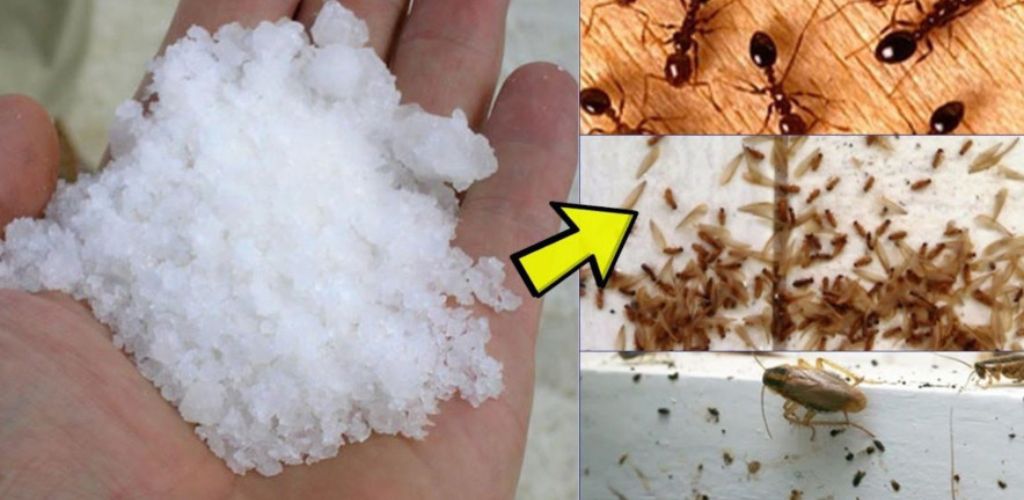
There’s one specific smell that both cockroaches and ants absolutely can’t stand: the intense scent of peppermint.
The Natural Smell That Cockroaches and Ants Absolutely Can’t Stand: Peppermint! 🌿🪳🐜
Peppermint oil is an essential oil with a very strong and penetrating scent that is often perceived as refreshing and pleasant to humans, but extremely unpleasant and repulsive to many insects, including cockroaches and ants.
Why Peppermint Works:
Disruption of the Senses: Both cockroaches and ants rely heavily on their sense of smell to find food, mark their trails, and communicate with each other. The strong menthol scent of peppermint overwhelms their olfactory receptors and disrupts their pheromone trails. This makes it extremely difficult for them to navigate, find food, or track their progress.
Deterrent effect: They find the smell so repulsive that they avoid areas that smell of peppermint. It therefore acts as a natural repellent, keeping them away rather than killing them.
How to use peppermint as a natural repellent:
Peppermint oil spray:
Mix 10-15 drops of pure peppermint oil with 1 cup of water in a spray bottle.
Spray this mixture in any areas where you suspect cockroaches or ants: along baseboards, window frames, doorsteps, under sinks, behind appliances, in cabinets, and at possible entry points.
Shake the bottle well before each use, as the oil and water can separate.
Repeat the application daily or every few days, as the smell will dissipate over time.
Soaked Cotton Balls:
Soak cotton balls with a few drops of pure peppermint oil.
Place these cotton balls in drawers, closets, behind furniture, or in corners where pests like to hang out.
Replace the cotton balls once the smell subsides.
Peppermint Plants:
You can also place fresh peppermint plants in pots near your windows or doors to create a natural barrier. The scent of the live plant can also act as a deterrent.
Important Notes:
Peppermint as a Repellent: It’s important to understand that peppermint oil is primarily a repellent that repels pests but doesn’t kill them. For severe infestations, it may not be sufficient, and you should consider professional pest control.
Safety: Essential oils are concentrated. Avoid direct contact with skin and eyes. If you have pets, check whether peppermint oil is safe for your specific pets, as some oils can be harmful to certain animals (e.g., cats).
Cleanliness remains a priority: The most effective method for pest control is still a clean environment free of open food sources or puddles of water. Natural scents are a great complement to good hygiene practices.
Try this simple trick and enjoy a fresher scent in your home while keeping unwanted guests away!