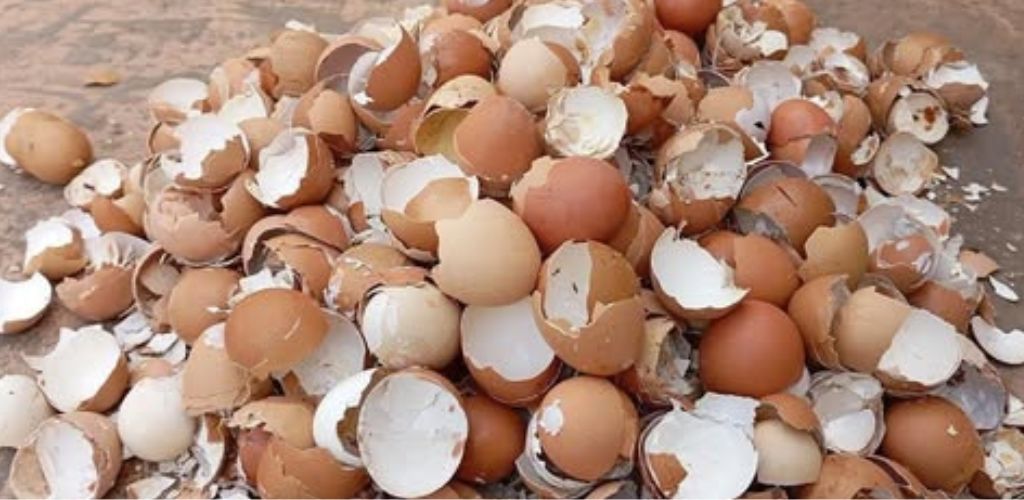
Many gardeners wonder how they can use eggshells, especially given the availability of modern fertilizers on the market.
Despite the wide selection of chemical products, many retirees prefer to resort to proven folk methods, collecting eggshells for use in their summer cottages.
Why are eggshells a valuable resource for a summer resident?
My summer neighbor, whom I learned about from my sister, turned out to be a real expert on this topic.
He eschews chemical fertilizers in favor of eggshells, which he uses in ten different ways.
He shared that this remedy is not only inexpensive and harmless, but also extremely effective.
Eight secrets for using eggshells:
- Against pests. Use white eggshells to protect cruciferous vegetables from cabbage butterflies.
Placing shells along the beds creates a barrier that butterflies perceive as a signal that the territory is occupied.
- Fertilizer for melons. Add crushed shells under watermelons and melons, which stimulates their growth and promotes the development of a strong rind thanks to the calcium.
- Against tomato blossom end rot.
Use shells to prevent this disease by enriching the soil with calcium, which is especially important for greenhouse varieties.
- Protection against moles and slugs. Large pieces of shell scattered around the area will help repel unwanted guests thanks to their sharpness.
- Soil deacidification. If your soil is too acidic, eggshell flour will help neutralize the acidity.
- Improving soil structure. Adding shells makes clay soil looser and more breathable.
- Protection against blackleg. Eggshell flour, sprinkled around young plants, helps protect seedlings from fungal diseases.
Using eggshells not only increases soil fertility but also helps gardeners avoid the use of chemicals, making the harvest more environmentally friendly.