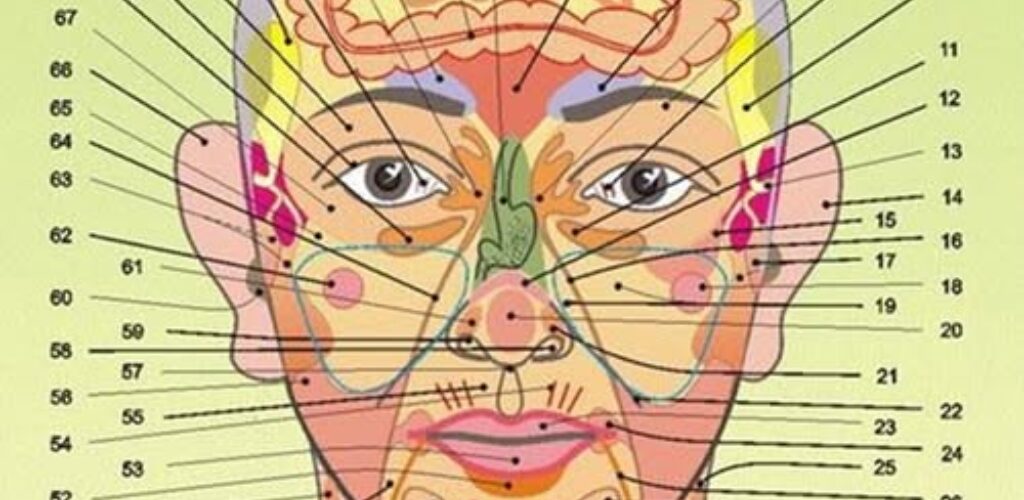
The belief that all our illnesses are written on our faces is an ancient and widespread notion that plays a role in various cultures and traditional medical systems. While it cannot be claimed that every illness can be directly and clearly read on the face, there are a number of facial symptoms and signs that can indicate health problems.
The Language of Our Face: What It Can Tell Us
Our face is rich in blood vessels, nerves, and muscles and is sensitive to internal changes in the body. Here are some examples of how the face can indicate certain health problems:
Skin Changes:
Paleness: Can indicate anemia (anemia) or iron deficiency.
Yellowish tint (jaundice): Often indicates liver problems or jaundice.
Bluish lips or nails (cyanosis): A sign of a lack of oxygen in the blood, often associated with heart or lung problems.
Redness/rashes: Can indicate allergies, autoimmune diseases (e.g., lupus with butterfly rash), rosacea, or infections.
Dark circles/puffiness under the eyes: Can indicate lack of sleep, kidney problems, or allergies.
Dry, flaky skin: Sometimes a sign of hypothyroidism or dehydration.
Eyes:
Yellowish eyes (sclera): Also a strong indication of liver disease.
Bulging eyes (exophthalmos): Can occur with hyperthyroidism (Graves’ disease).
Constricted or dilated pupils: Can indicate neurological problems, drug use, or certain medications.
Hair and eyebrows:
Thinning or falling eyebrows (especially around the outer edges): An often overlooked sign of hypothyroidism.
Brittle, dry hair: Can also indicate nutritional deficiencies or thyroid problems.
Lips and Mouth:
Chapped corners of the mouth: Often a sign of vitamin B deficiency or iron deficiency.
Pale lips: As with the skin, a sign of anemia.
Swollen tongue: Can indicate allergies or a vitamin B12 deficiency.
Face shape and facial expressions:
Asymmetries: Can occur with a stroke (drooping corner of the mouth) or facial paralysis.
Swollen face: Water retention can occur with heart or kidney problems.
Constant facial expression (e.g., mask face): In neurological diseases such as Parkinson’s, facial expressions can be limited.
What is the truth behind this statement?
The statement that “all” illnesses are written on the face is an exaggeration. Many internal illnesses, such as high blood pressure, early diabetes, osteoporosis, or many types of cancer, do not show up on the face in the early stages, or only show up very subtly. Psychological illnesses are also not always obvious.
Nevertheless, the idea that the face is a “mirror of the soul” and the body is not entirely unfounded. Doctors and alternative practitioners often consider a person’s overall appearance when making a diagnosis and also include visible facial features in their assessment. These are clues and symptoms that can prompt further investigation, but rarely provide a definitive diagnosis on their own.
It underscores the importance of observing one’s own body and paying attention to changes that our body is trying to communicate to us—including through the face