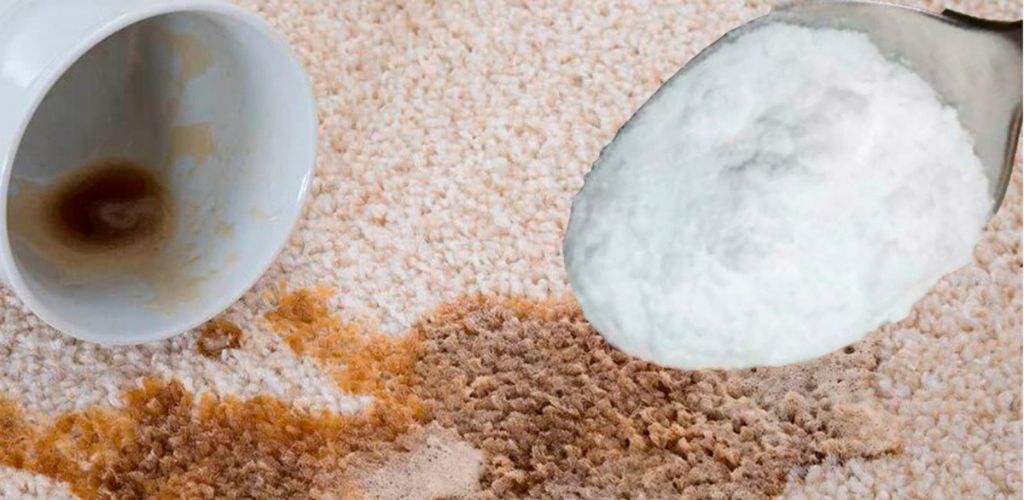
Removing stains from a sofa without professional cleaning is definitely possible, but it requires a bit of detective work and a gentle approach. The key is to act quickly and identify your sofa’s fabric type to choose the right method.
Crucial First Steps (Don’t Skip These!):
- Check the Care Tag: This is the most important step! Most sofas have a tag with cleaning codes:
- W: Water-soluble cleaners are safe. This is ideal for most DIY methods.
- S: Solvent-based (dry-cleaning) cleaners only. Water can cause stains or damage. Avoid water-based DIY solutions for these.
- WS: Both water-soluble and solvent-based cleaners can be used.
- X: Vacuuming only. No liquids, no solvents. This fabric is very delicate.
- If there’s no tag, or you’re unsure, treat it as an “S” or “X” fabric to be safe, or stick to very minimal moisture.
- Test in an Inconspicuous Area: Before applying any solution to the stain, always test it on a hidden spot of the sofa (e.g., under a cushion, on the back) to ensure it doesn’t cause discoloration, water rings, or fabric damage. Let it dry completely after testing.
- Blot, Don’t Rub: When cleaning, always blot the stain gently with a clean white cloth or paper towel. Rubbing can spread the stain, push it deeper into the fibers, and damage the fabric.
- Work from the Outside In: Start blotting or applying the cleaner from the outer edge of the stain towards the center to prevent it from spreading.
- Less is More: Use minimal moisture. Over-saturating the fabric can lead to mildew, water rings, and damage to the sofa’s stuffing.
Common Homemade Stain Removal Solutions (For “W” or “WS” coded fabrics):
Here are some effective homemade solutions, generally using ingredients you likely have at home:
1. General All-Purpose Cleaner (for most fresh, water-based stains)
This is a versatile mix for many common spills.
Ingredients:
- 1 cup warm water
- 1/4 cup white vinegar
- 1 tablespoon mild dish soap (e.g., Dawn, clear liquid hand soap, avoid colored ones)
How to use:
- Mix ingredients in a spray bottle.
- Lightly mist the stained area (don’t soak).
- Gently blot the stain with a clean white microfiber cloth, working from the outside in.
- Dampen a separate clean cloth with plain water and blot the area to “rinse” and remove soap residue.
- Blot dry with a clean, dry towel.
- Allow to air dry completely. You can use a fan to speed up drying.
2. Baking Soda Paste (Great for grease, oil, and odors)
Baking soda is a mild alkali that helps break down grease and absorb odors.
Ingredients:
- 1/2 cup baking soda
- A few tablespoons of water (enough to make a thick paste)
How to use:
- Sprinkle a generous amount of dry baking soda over the stain first for deodorizing and initial absorption (especially for fresh grease). Let it sit for 15-20 minutes, then vacuum it up.
- Then, mix baking soda with a little water to form a thick, spreadable paste.
- Apply a generous layer of the paste directly onto the stain.
- Let it sit for 15-20 minutes (or longer for tougher stains, even overnight).
- Gently scrub the paste into the stain with a soft brush or a microfiber cloth.
- Wipe away the residue with a clean, damp cloth.
- Blot dry with a clean, dry towel.
- Allow to air dry completely.
3. Baking Soda & Vinegar Fizz (For tough, set-in stains)
This combination creates a fizzy reaction that helps lift dirt and grime.
Ingredients:
- Baking soda
- White vinegar (in a spray bottle)
- Optional: A few drops of dish soap in the vinegar spray.
How to use:
- Sprinkle a generous amount of baking soda directly onto the stained area.
- Lightly mist the baking soda with the white vinegar solution (plain or with a little dish soap). You’ll see a bubbling reaction.
- Let it sit for 5-10 minutes while the fizzing action works.
- Gently blot the area with a clean, damp cloth, working the solution into the stain.
- Blot with a clean, damp cloth soaked in plain water to rinse.
- Blot dry with a clean, dry towel.
- Allow to air dry completely.
4. Rubbing Alcohol (For ink, marker, and some greasy stains on synthetic fabrics)
Rubbing alcohol acts as a solvent. Best for “S” or “WS” codes, but test carefully on “W” too.
Ingredients:
- Rubbing alcohol (isopropyl alcohol)
- Clean white cloths or cotton balls
How to use:
- Dampen a clean white cloth or cotton ball with rubbing alcohol. Do not soak the fabric.
- Gently blot the stain, working from the outside in. As the stain transfers to the cloth, use a fresh part of the cloth.
- Continue blotting until the stain is lifted.
- Blot the area with a clean, damp cloth (with plain water) to remove any residue.
- Blot dry with a clean, dry towel and allow to air dry.
Dealing with Specific Stain Types:
- Coffee/Tea: Blot excess liquid immediately. Use the general all-purpose cleaner.
- Red Wine: Blot immediately. Sprinkle with salt or baking soda to absorb liquid, let sit, then vacuum. Follow with the general all-purpose cleaner.
- Pet Stains/Odor: Blot thoroughly. Use a baking soda paste for odor absorption. For stubborn pet stains, an enzymatic cleaner (available commercially) is often most effective as it breaks down organic matter.
- Grease/Oil: Blot excess with a paper towel. Apply dry baking soda or cornstarch to absorb the oil, let sit for 15-30 minutes, then vacuum. Follow with the baking soda paste or general all-purpose cleaner.
Post-Cleaning Tips:
- Fluff the Fibers: Once completely dry, use a soft-bristled brush or even your hand to gently fluff the sofa fabric to restore its texture, especially for microfiber.
- Prevent Water Rings: If you notice a water ring forming, you can try blotting the entire affected cushion area with a clean, damp cloth (using plain water) to blend the moisture and then allow it to air dry evenly.
By following these guidelines and choosing the right method for your sofa’s fabric and stain type, you can effectively remove many stains and keep your sofa looking great without professional help.