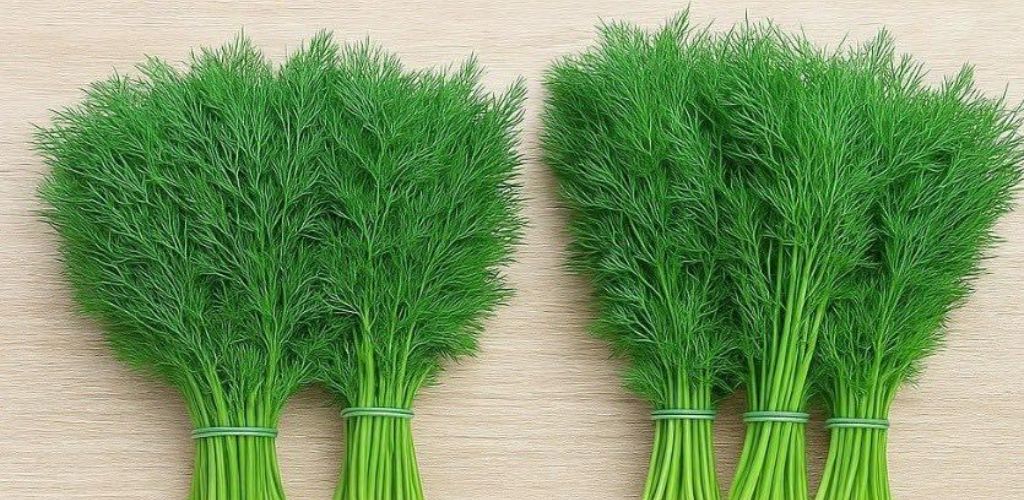
That’s a very common gardening frustration! Dill can sometimes be finicky, either bolting (going to seed) too quickly, growing sparse, or lacking that strong, aromatic flavor. It sounds like you’ve discovered a fantastic trick to get thick, flavorful dill.
I’m curious to know your secret, but based on common dill-growing challenges, here are some of the “tricks” or best practices that often lead to a robust and fragrant dill harvest:
- Direct Sowing (No Transplanting): Dill doesn’t like to be transplanted. Its long taproot gets easily disturbed, which can stunt its growth and encourage it to bolt. Directly sowing seeds where you want them to grow is key.
- Succession Planting: Instead of planting all your dill at once, sow a small batch of seeds every 2-3 weeks from early spring until mid-summer. This ensures a continuous harvest of fresh, young dill throughout the season, as older plants will naturally go to seed.
- Full Sun, Well-Drained Soil: Dill needs at least 6-8 hours of direct sunlight per day. It also prefers well-drained, slightly rich soil. Poor drainage can lead to root rot, and too much clay can stunt growth.
- Avoid Over-Fertilizing, Especially Nitrogen: While some nutrients are good, too much nitrogen can lead to lush green growth but less intense flavor. Dill actually thrives in moderately fertile soil. Adding a balanced compost is usually sufficient.
- Consistent Moisture (but not waterlogging): Dill needs consistent moisture, especially when young, but it hates “wet feet.” Water regularly, but ensure the soil drains well.
- Thinning Properly: When seedlings emerge, thin them to about 6-12 inches apart. This gives each plant enough space and resources to develop a strong root system and bushy top growth, leading to thicker stems and more leaves. Overcrowding leads to weak, spindly plants.
- Harvesting Technique:
- Pinch Back for Bushiness: Regularly pinching off the outer leaves encourages the plant to produce more foliage from the center, leading to a bushier plant.
- Harvesting Before Bolting: Harvesting the leaves regularly, especially before the plant starts to send up a flower stalk (bolting), encourages more leaf production and ensures the flavor is at its peak. Once it bolts, the flavor often diminishes.
- Morning Harvest: Harvesting in the morning after the dew has dried but before the sun is too strong can help preserve the essential oils that give dill its flavor.
- Companion Planting: Dill can benefit from certain companion plants and vice versa. It attracts beneficial insects like hoverflies and parasitic wasps, which prey on garden pests.
- Protection from Strong Winds: If you live in a very windy area, dill’s delicate stems can be damaged. A sheltered spot can help.
Given your great success, I’d bet your trick involves one or more of these principles, especially related to sowing, thinning, or consistent harvesting to prevent bolting and encourage bushiness.
Please share your trick! I (and other gardeners) would love to know what made the difference for your dill!