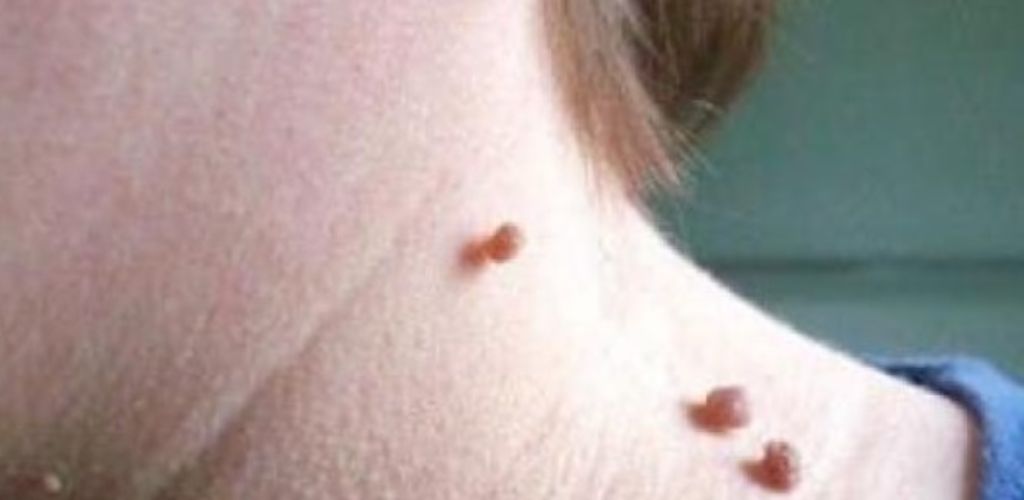
While some small warts might go away on their own eventually, if you’re looking to quickly and safely remove them at home, there are a few methods that dermatologists often recommend as over-the-counter (OTC) options. However, it’s always best to consult a doctor or dermatologist if you’re unsure about a skin growth, if a wart is painful, growing, spreading, or if you have a compromised immune system or diabetes.
Warts are caused by the human papillomavirus (HPV) and can be contagious. The goal of at-home treatment is typically to destroy the infected skin cells or stimulate the immune system to fight the virus.
Here are the most commonly recommended and generally safe at-home methods for small warts:
1. Salicylic Acid (The Most Recommended OTC Treatment)
Salicylic acid is a peeling agent that works by gradually removing layers of the wart. It’s widely available in various forms (liquids, gels, pads, and medicated patches). For common warts, look for products with a 17% salicylic acid solution, and for plantar warts (on the feet), 40% solutions are common.
How to use:
- Soften the wart: Soak the wart in warm water for 5-10 minutes to soften the skin. This helps the acid penetrate better.
- File (Gently): Gently sand or file down the dead skin on the wart’s surface using a disposable emery board or a pumice stone. Important: Do not use this tool anywhere else on your body, as it can spread the virus. Dispose of it after use or dedicate it solely to the wart.
- Apply product: Thoroughly dry the wart and apply the salicylic acid product precisely to the wart, following the package directions. Avoid getting it on surrounding healthy skin, as it can cause irritation.
- Repeat: Repeat this process daily (or as directed by the product) for several weeks, potentially up to 12 weeks, until the wart is gone.
- Stop if irritated: If your skin becomes sore, painful, or develops blisters, stop using the product and consult a doctor.
Why it works: Salicylic acid causes the infected skin to peel away, helping to remove the wart. It also may irritate the area, prompting an immune response.
2. Duct Tape Occlusion
This method is popular as a home remedy, though studies on its effectiveness have conflicting results. Some dermatologists still suggest it as a safe option to try. It’s thought to work by irritating the wart and suffocating it, potentially stimulating an immune response.
How to use:
- Cover: Cut a piece of silver duct tape slightly larger than the wart, ensuring it completely covers the wart.
- Leave on: Leave the tape on for 6 days. If it falls off, replace it immediately.
- Remove and Exfoliate: After 6 days, remove the tape. Soak the wart in water and gently scrape it down with a disposable emery board or pumice stone to remove any dead or softened skin.
- Air out: Leave the wart exposed to air for about 12 hours (e.g., overnight).
- Repeat: Reapply a new piece of duct tape and repeat the cycle for 4-6 weeks, or until the wart is gone.
Why it works (theories): It’s believed to suffocate the wart and/or stimulate a local immune response by causing irritation.
3. Over-the-Counter Freezing Products (Cryotherapy at Home)
These products typically use a mixture of refrigerants to freeze the wart, similar to what a doctor might do with liquid nitrogen (though OTC products are less potent).
How to use:
- Follow the instructions on the product packaging very carefully.
- Typically, an applicator is pressed onto the wart for a short period (e.g., 10-20 seconds), freezing the tissue.
- A blister may form under or around the wart, and the wart should eventually fall off within a week or two.
- Multiple applications may be needed.
Why it works: The extreme cold destroys the wart tissue, causing it to die and slough off.
Important Safety and General Advice:
- Do not cut or pick warts: Attempting to cut off a wart can lead to infection, scarring, and can spread the virus.
- Prevent spread: Warts are contagious. Always wash your hands thoroughly after touching or treating a wart. Avoid scratching, picking, or biting warts. Do not share towels, razors, or other personal items. Wear flip-flops in public showers, locker rooms, and around pools.
- Be patient: At-home wart treatments often take several weeks or even months to show results. Consistency is key.
- When to see a doctor:
- If the wart is painful, bleeding, growing, or changing in appearance.
- If you have warts on your face, genitals, or other sensitive areas.
- If you have diabetes, poor circulation, or a compromised immune system (as some treatments can cause complications).
- If home treatments aren’t working after several weeks of consistent effort.
- If you’re unsure if a skin growth is actually a wart.
Your doctor or dermatologist has access to stronger treatments (like prescription-strength salicylic acid, in-office cryotherapy with liquid nitrogen, laser therapy, or surgical removal) and can provide a precise diagnosis and tailored advice.